
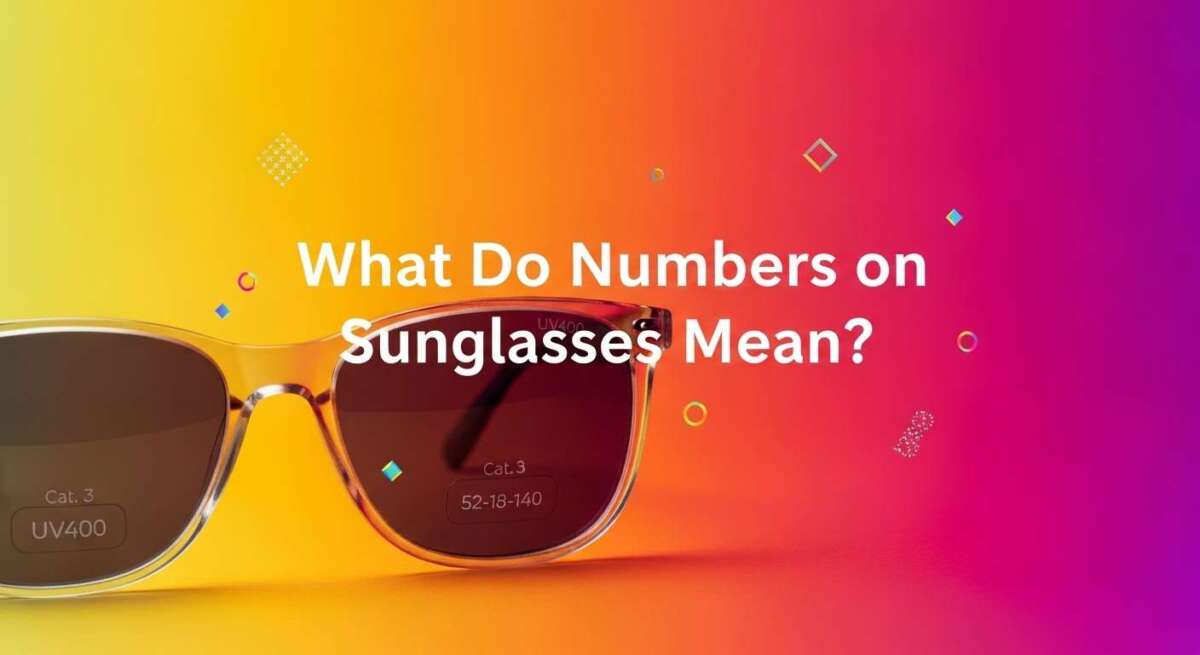
Have you ever picked up a pair of sunglasses and seen small numbers printed inside the frame? I used to think they were random too. But one sunny afternoon, while choosing new shades, I found out those numbers are super useful. They tell you how your sunglasses fit, how they look, and even how well they protect your eyes.
Let’s go over what those numbers mean and how you can use them to find the perfect pair of sunglasses that feel just right.
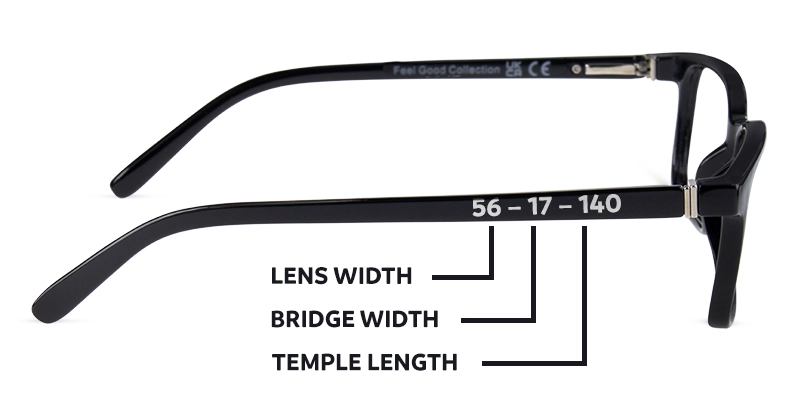
Credit: www.feelgoodcontacts.com
Lens Width
The lens width is the first number you’ll see. It tells how wide each lens is, in millimeters. Think of it as how much of your eyes the lenses cover.
Once, I switched from a 50mm lens to a 54mm lens, and wow — what a difference! The larger lenses gave me better coverage and a bold, stylish look. Smaller lenses feel tighter and neater on narrow faces.
Opticians say the right width keeps your eyes centered and your vision clear. It also helps stop sunlight from sneaking in from the sides.
Bridge Width
The bridge width is the space between your lenses — the part that sits on your nose. It might seem small, but it can change how your sunglasses feel all day.
I once bought a pair with a narrow bridge, and they pinched my nose. Later, an optician told me my ideal bridge size is 17mm. Now I always check this before buying.
If your sunglasses keep sliding or feel too tight, check this number. It’s usually printed right on the inside of the bridge or temple arm.
Temple Length
The temple length measures the arms of your sunglasses — the parts that go behind your ears. It’s usually between 120mm and 150mm.
A few years ago, I realized my sunglasses slipped every time I looked down. My optician explained that my temple arms were too long. After switching to the right size, my glasses stayed put all day — no more slipping!
The arms should rest gently on your ears. Some sunglasses even have flexible arms so you can adjust them for a perfect fit.
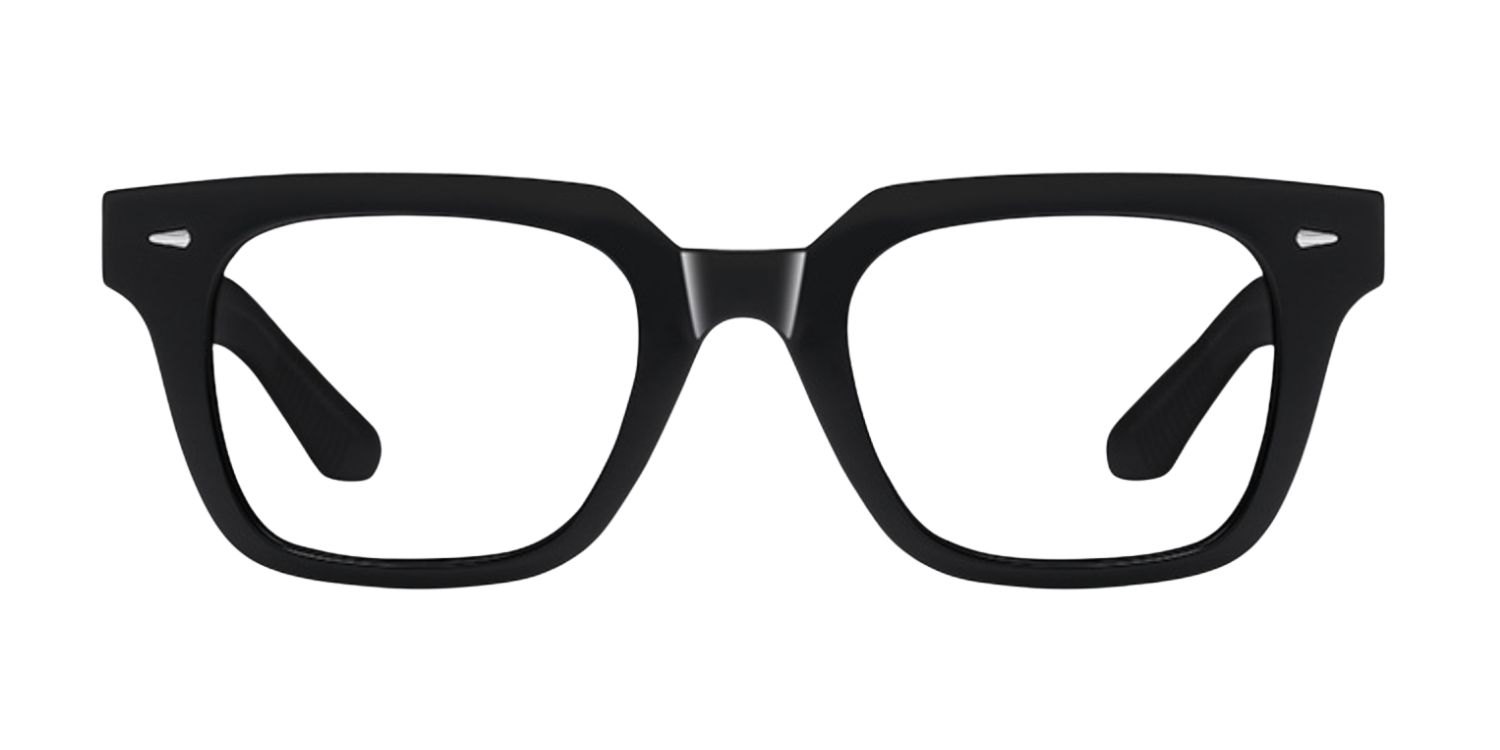
Credit: minteyewear.co
Additional Frame Numbers
You might also notice extra numbers and letters — those are model or color codes. They tell you what style or shade your sunglasses are.
For example, BLK means black, TPK means tortoise, and GLD means gold. When I lost my favorite tortoise pair, I used that code to find the exact same frame online. Super handy!
You’ll usually see these details inside the temple arm or near the hinge.
Locating The Numbers
You can find the sizing numbers inside the temple arm (the side part that rests on your ear). You’ll see something like:
51–17–140 — that means lens width = 51mm, bridge width = 17mm, and temple length = 140mm.
If you wear metal frames, the numbers might be engraved on the bridge. Some brands also print a model or color code nearby.
These tiny markings are your best guide when buying new sunglasses or matching your favorite pair.
Using Numbers For Fit
When buying sunglasses, it helps to match these numbers with a pair that already fits you well.
For example, my go-to pair has 52–18–140. So, when I shop online, I look for the same numbers. It saves me from guessing. Of course, it’s still best to try them on — sometimes the shape of the frame can make them feel different even if the numbers match.
UV Protection Ratings
This is super important. Look for UV400 on your sunglasses. It means they block all UVA and UVB rays — giving you 100% UV protection.
When my optician told me this, I realized how many cheap sunglasses don’t actually protect your eyes. Now, I never buy a pair without that “UV400” mark. It helps prevent sun damage, eye strain, and long-term problems like cataracts.
Always double-check that label — your eyes will thank you later!
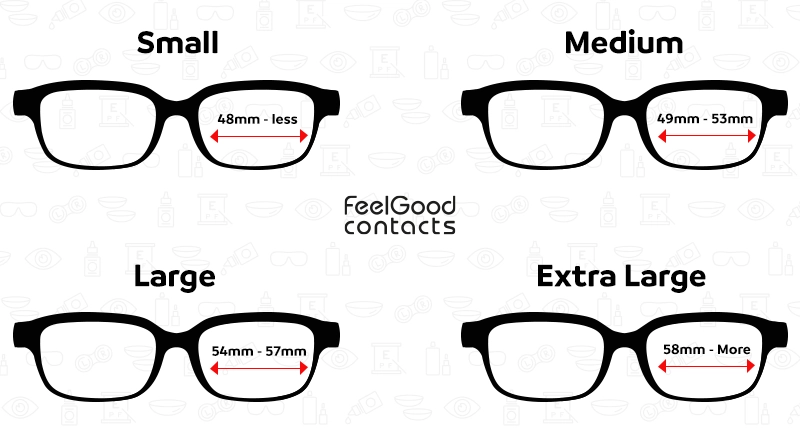
Credit: www.feelgoodcontacts.com
Tips For Buying Sunglasses Online
Those numbers are your best friend when shopping online. The first number is the lens width, the second is the bridge width, and the third is the temple length.
Compare them to a pair you already own. Once, I ignored the bridge width while ordering, and the new glasses kept sliding off. I learned my lesson!
Always check those numbers before hitting “Buy Now.” It’s the easiest way to make sure your new shades fit comfortably.
Frequently Asked Questions
What Is The Best UV Protection Number For Sunglasses?
The best UV protection is UV400 — it blocks 100% of UVA and UVB rays to keep your eyes safe.
What Does +200 Mean In Reading Glasses?
+2.00 (often written as +200) means mild magnification for reading or close-up work.
What Does 51 17 140 Mean?
It means 51mm lens width, 17mm bridge width, and 140mm temple length — your sunglasses size!
Should I Get 52 Or 54 Glasses?
If your face is smaller, go for 52mm. If it’s medium or wider, try 54mm. Comfort always comes first.
Conclusion
The numbers on your sunglasses aren’t random — they’re your fit code! Once you know what they mean, choosing the right pair becomes so easy. You’ll know how they’ll sit on your nose, wrap around your ears, and shield your eyes.
And trust me — always check for UV400. I learned that the hard way after a beach trip left my eyes sore. Since then, I always read those tiny numbers before buying any new pair.
Next time you pick up sunglasses, look inside the temple arm. Those little digits are your secret to comfort, style, and safe vision — every time.

Marry Christin, a passionate fashion designer and style enthusiast. Fashion isn’t just my profession—it’s my addiction! Along with my expert team, I bring you honest reviews of the latest fashion trends, including shoes, boots, sandals, dresses, and more.