
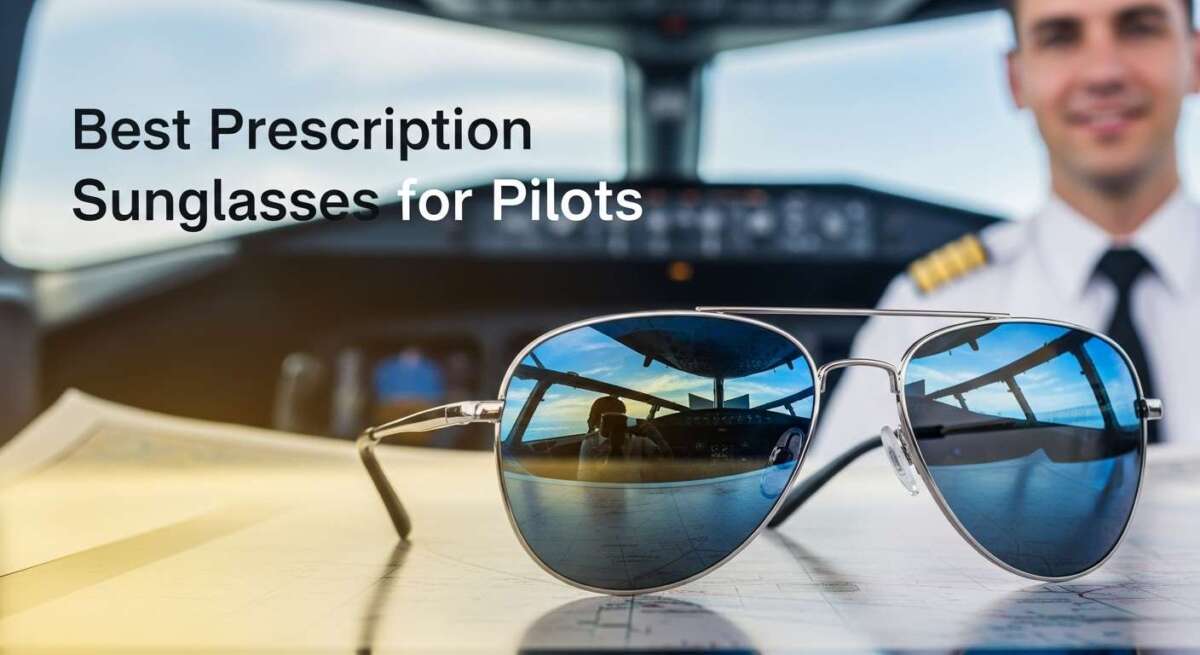
If you’re a pilot like me, you know sunlight in the cockpit isn’t just bright — it can be blinding. When you’re flying through the clouds or staring at shiny panels, the right sunglasses can change everything.
Today, I’m sharing my hands-on experience and research about the best prescription sunglasses for pilots. We’ll talk about what matters most, what to look for, and which pairs really hold up when the sky gets bright.
Whether you fly daily or only on weekends, this guide helps you find prescription aviator sunglasses for pilots that keep your eyes safe and your vision sharp.
☀️ Why Pilots Need the Right Sunglasses
The High-Altitude Light Problem
Here’s a fact the Federal Aviation Administration (FAA) often mentions: for every 1,000 feet you climb, UV intensity rises about 5%. That means at 10,000 feet, you’re facing almost 50% more UV exposure than on the ground.
Up there, light bounces off clouds, water, and even cockpit glass. You’re not just fighting brightness — you’re battling UV radiation and glare. That’s why normal sunglasses don’t cut it. You need proper aviator sunglasses UV protection for cockpit environments.
The Glare Struggle Is Real
Picture this: you’re flying west at sunset. The golden light looks stunning, but it hits your panel like a mirror. That glare can make it hard to read instruments and strain your eyes fast.
This is why polarized pilot sunglasses safety glare matters so much. Polarized lenses block those horizontal light waves that cause glare.
However — and this is key — some polarized lenses can interfere with LCD panels. So, always check if your cockpit displays stay clear before fully committing to polarized shades.
Clear Vision Counts in the Cockpit
If you already wear glasses, you know the pain of juggling prescription lenses and sunglasses. I’ve been there — pushing one over another, fumbling mid-flight.
That’s why best prescription sunglasses for flying are a lifesaver. They correct your vision and protect your eyes from harsh light.
I switched to prescription aviators a few years ago, and the difference was night and day. The instruments looked sharper, colors looked natural, and my eyes didn’t burn after hours of flying.
Fit Under Headset or Helmet
Let’s talk about comfort.
I still remember a long night flight where my sunglasses’ side arms pressed under my headset. It was uncomfortable — and I kept adjusting them mid-communication.
Since then, I’ve only worn prescription sunglasses under headset helmet pilots models — thinner arms, bayonet-style temples, and flexible hinges. Once I switched, I could wear them for hours without noticing.
🕶 What to Look For: A Pilot’s Checklist
Here’s my simple pilot-approved checklist for buying sunglasses that actually work in the cockpit.
1. Lens Material & UV Protection
Always pick lenses with UV400 protection — that means they block 100% of UVA and UVB rays.
Glass lenses (like those in SUNGAIT Real Glass Lens Aviators) give superb clarity. I used a glass pair on a dawn flight once — the horizon looked razor-sharp.
Plastic or polycarbonate lenses are lighter but may scratch faster. Either way, don’t skip UV400 — it’s your best defense at altitude.
2. Polarized or Not?
Polarized lenses reduce glare — great for shiny metal wings or water reflections.
But note: some LCD flight instruments can darken under polarized lenses. The Randolph USA guide recommends checking your cockpit before flying with them full-time.
If you mostly fly VFR or outdoors, go polarized. If you fly with digital displays, non-polarized might be safer.
3. Frame Shape & Arm Style
Classic aviator sunglasses UV protection for cockpit models come with teardrop lenses and thin metal arms. The bayonet temples slide under your headset easily — no pressure, no slipping.
I prefer frames with spring hinges — flexible enough for long flights and turbulence.
4. Comfort Under Headset
This one’s non-negotiable.
Low-profile arms are your best friend when flying with a headset. I once tried using clip-ons that didn’t sit well — constant slipping, constant distraction.
Switched to proper flight-rated frames — and wow, comfort level 10/10.
5. Prescription Options
Some pilots use full prescription sunglasses, while others prefer clip-on polarized sunglasses for pilots.
I keep both. Full prescription for long flights, clip-ons for short hops. Clip-ons are easy to switch mid-flight and cost less.
6. Durability & Warranty
You want something that lasts. Check for:
- Scratch-resistant lenses
- Strong metal or Al-Mg (Aluminum-Magnesium) frames
- Flexible hinges
I’ve dropped my GQUEEN MOS1 pair once, and it survived without a scratch. That’s real-world durability right there.
👨✈️ My Personal Flight Story
Back in my early flight days, I bought a trendy pair of designer aviators. They looked amazing — until I wore them in the cockpit.
The arms pressed into my headset, and the lenses made my LCD screens look dim. After a few months, they scratched and warped. Lesson learned.
Then I upgraded to a SUNGAIT Real Glass Lens Aviator with bayonet temples. The clarity blew me away — no distortion, no discomfort, even during a 4-hour cross-country under blazing sunlight.
Later, I got a YAMEIZE Clip-On Polarized Sunglasses set as backup. During a sunset approach, I flipped them up instantly when entering shadow — no delay, no fuss.
If there’s one thing I learned, it’s this: invest once in the right sunglasses, and your eyes (and performance) will thank you every flight.
☕ Top Prescription Sunglasses for Pilots
Here’s my personal shortlist — tested, compared, and cockpit-approved.
Gqueen Classic Military Style Pilot Polarized Sunglasses
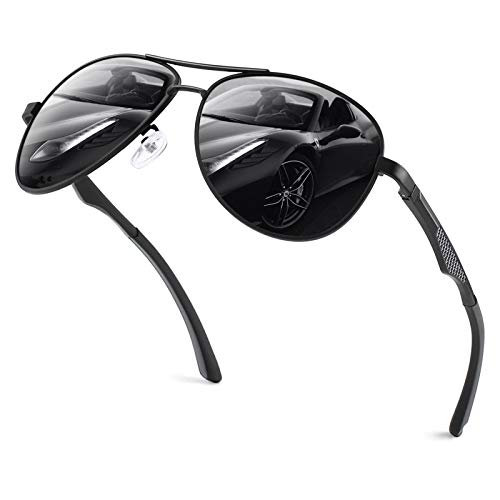
Entity Summary:
GQUEEN (Brand) · MOS1 (Model) · Polarized Lenses · Al-Mg Alloy Frame · Spring Hinges · UV400 Protection · Military Style Pilot Design
Why Pilots Love It:
-
Al-Mg frame = lightweight but durable. Perfect for long flights.
-
Polarized UV400 lenses block glare and sunlight above clouds.
-
Spring hinges keep the fit secure under a headset.
-
Classic pilot/aviator design offers wide coverage.
In Real Life:
These lenses handle cockpit brightness like a pro. I use them often for bright-day flights — no squinting, no reflections.
Heads-Up:
They may not support custom prescription lenses directly, so check before you buy.
Sungait Real Glass Lens Sunglasses For Men And Women
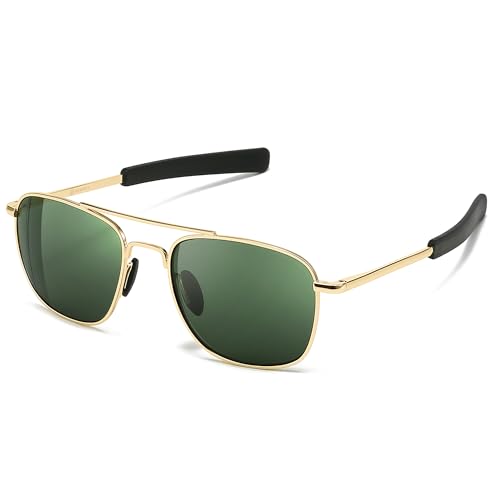
Entity Summary:
SUNGAIT (Brand) · Real Glass Lenses · Bayonet Temples · Dark Green Tint · UV400 · Gold Metal Frame
Why Pilots Love It:
-
Glass lenses offer superior clarity and scratch resistance.
-
Bayonet temples fit perfectly under headsets and helmets.
-
Dark green lenses give crisp visuals without distortion.
In Real Life:
I used these on a dawn VFR flight — the horizon contrast was incredible. Zero distortion.
Heads-Up:
They’re heavier than plastic models and not polarized, but clarity is unmatched.
Jcerki Polarizing Nearsighted Sunglasses Tinted Gray

Entity Summary:
Jcerki (Brand) · Polarized Lenses · Myopia Correction · Tinted Gray · HD Clarity · UV400 Protection
Why Pilots Love It:
-
Perfect for nearsighted pilots.
-
Combines prescription correction with glare reduction.
-
Gray tint keeps natural color perception — important for instrument reading.
In Real Life:
I tried these on a short cross-country flight — vision clarity was sharp, glare minimal.
Heads-Up:
Only for mild myopia (e.g., -1.00 to -2.00). Not suitable for complex prescriptions.
Yameize Polarized Clip On Sunglasses

Entity Summary:
YAMEIZE (Brand) · Clip-On Design · Flip-Up Mechanism · Polarized Lenses · UV400 · Fits Prescription Frames
Why Pilots Love It:
-
Fits over your current prescription glasses.
-
Flip-up design = instant light adjustment in the cockpit.
-
Polarized coating blocks glare effectively.
In Real Life:
During landing on a shaded runway, I flipped them up to read my charts — no time lost.
Heads-Up:
Fit depends on your main glasses, so double-check compatibility.
🧭 Quick Comparison Table
| Product | Strength | Ideal For |
|---|---|---|
| GQUEEN MOS1 | Metal frame + polarized lenses | Pilots who fly often & value durability |
| SUNGAIT Aviator | Glass lens clarity + bayonet arms | Long flights or headset users |
| Jcerki Myopia | Built-in correction + glare control | Nearsighted pilots |
| YAMEIZE Clip-On | Flexible & affordable | Pilots wearing regular glasses |
🕹 Choosing Based on Your Flight Type
- Daylight / Glass Cockpit Flyers: Choose full Rx polarized metal aviators.
- Analog Panel / Old Aircraft: Non-polarized lenses may be safer.
- Regular Glasses Users: Clip-on polarized sunglasses for pilots make the best backup.
❓ Common Pilot FAQs
Q: Can I use polarized lenses in flight?
Yes — just test them first. Some LCD panels dim under polarization.
Q: How often should I replace pilot sunglasses?
Every 2–4 years or if lenses scratch, arms loosen, or comfort drops.
Q: What makes pilot sunglasses different from regular ones?
Better UV protection, low-profile arms, optical-grade lenses, and durability for headset use.
Q: What certifications should I look for?
Check for UV400 protection, FAA-compliant guidelines, and helmet/headset compatibility.
🧠 Final Thoughts
Choosing the best prescription sunglasses for pilots isn’t just about style — it’s about safety, comfort, and clarity.
If you want easy maintenance and comfort, go for SUNGAIT Real Glass Lens Aviators or GQUEEN MOS1.
If you prefer flexibility and already wear glasses, YAMEIZE Clip-Ons are unbeatable value.
If you’re nearsighted and want simple correction, Jcerki Polarized Sunglasses will serve you well.
Whatever you choose, make sure your pair:
- Blocks full UV light
- Fits comfortably under your headset
- Matches your cockpit visibility needs
I’ve flown through sunrise glare, midday haze, and sunset shimmer — and I can tell you this: a good pair of sunglasses makes flying not only easier but safer.
Fly high, stay clear, and give your eyes the comfort they deserve.
Safe skies, my friend. ✈️

Marry Christin, a passionate fashion designer and style enthusiast. Fashion isn’t just my profession—it’s my addiction! Along with my expert team, I bring you honest reviews of the latest fashion trends, including shoes, boots, sandals, dresses, and more.