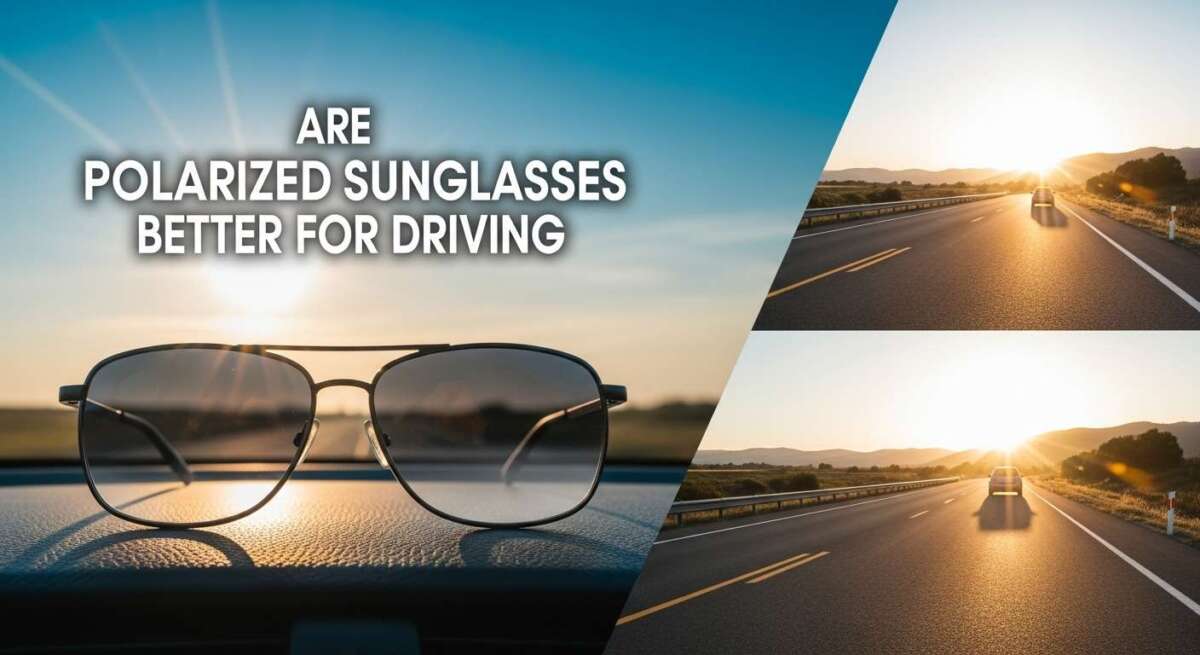
Are polarized sunglasses really better for driving? If you spend a lot of time behind the wheel, you’ve probably wondered whether these lenses can make your drive safer and more comfortable.
Polarized sunglasses promise to cut down glare from the road and other vehicles, but could they also cause problems with your car’s dashboard or reduce visibility in certain conditions? Before you decide what’s best for your eyes and your safety, it’s important to understand how polarized lenses work—and when they might actually hold you back.
Keep reading to discover the surprising truths about polarized sunglasses and how they can impact your driving experience.

Credit: smart.dhgate.com
Benefits Of Polarized Sunglasses
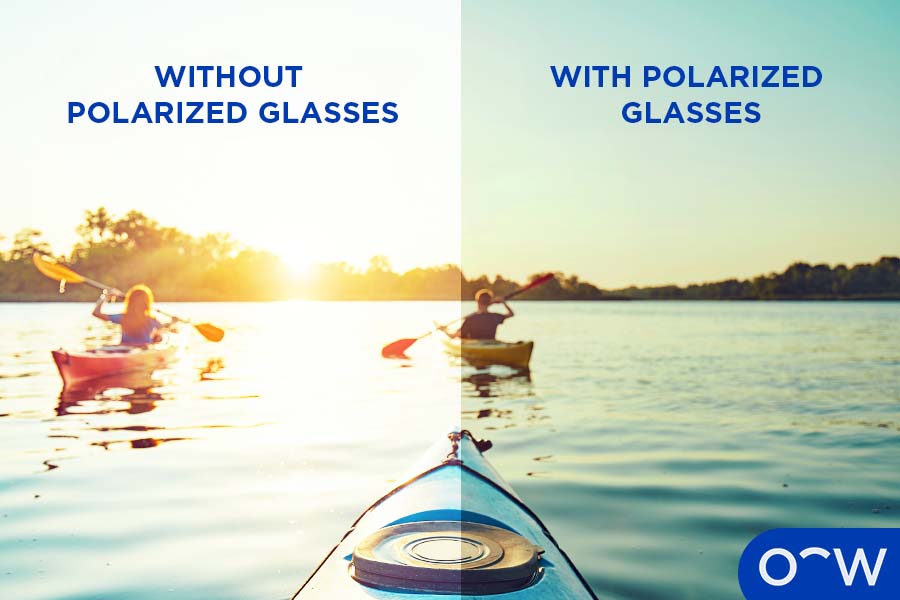
Polarized sunglassesreduce glare from shiny road surfaces and car hoods. This helps drivers see more clearly and stay safer.
They offer enhanced visual comfortby cutting down eye strain caused by bright sunlight. This makes driving less tiring over long trips.
Improved contrast and clarityallow drivers to better spot road signs, pedestrians, and other vehicles. Colors look truer and details stand out more.
Credit: oscarwylee.ca
Drawbacks While Driving
Polarized sunglassescan make LCD screens hard to see. This includes car dashboards, GPS, and phone screens. The lenses block some light, causing these displays to look dark or black. This can be dangerous while driving.
They also reduce visibility in low lightlike cloudy or rainy days. The lenses make things seem darkerand can hide important details. Non-polarized lenses may work better in these situations.
In icy or wet conditions, polarized sunglasses may cause problems. They can hide shiny ice patches or wet roads. This makes it harder to spot hazards and increases the risk of accidents.
Some people feel visual discomfortwearing polarized lenses for long times. This may include eye strainor headaches. It is important to know when to use them and when not to.
When To Avoid Polarized Lenses
Avoid polarized sunglasseson overcast and cloudy days. They reduce the light reaching your eyes, making it harder to see in low-light conditions. This can affect your ability to notice obstacles and road signs clearly.
Nighttime drivingis another time to skip polarized lenses. They cut glare but also make things darker. This can cause eye strainand reduce your reaction time.
Polarized lenses can make digital displayslike GPS, dashboard screens, and phones look dark or black. This happens because both the lenses and screens use polarization, which blocks the light from passing through properly.
Activities that need good depth perceptionare not ideal for polarized sunglasses. These lenses can distort certain reflections and shadows, making it harder to judge distances accurately.
Lens Colors And Driving
Contrast-enhancing tintshelp drivers see better by improving shapes and edges. Yellow or amber lenses boost contrast on cloudy or foggy days. Brown and copper tints work well in bright sunlight by reducing glare and enhancing depth perception. Gray lenses reduce overall brightness without changing colors.
Best colors for different conditions:
- Yellow/Amber:Great for low light and fog.
- Brown/Copper:Ideal for sunny, bright days.
- Gray:Good for reducing brightness while keeping natural colors.
Comparing tinted vs polarized lenses:Tinted lenses mainly change light color and brightness. Polarized lenses cut glare from reflective surfaces like roads and water. This glare reduction helps reduce eye strain. However, polarized lenses may make some digital screens hard to see. Tinted lenses do not affect screen visibility but offer less glare protection.
Choosing Sunglasses For Driving
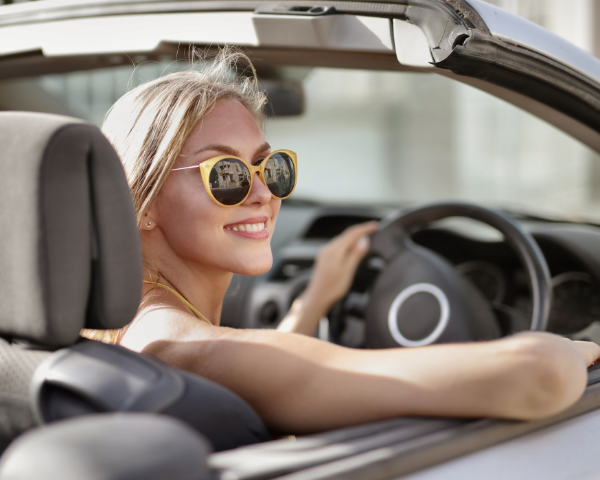
Choosing the right lensesdepends on where you drive the most. Bright, sunny days call for polarized lensesto cut glare from roads and cars. In cloudy or low-light areas, lenses that let in more light work better.
Comfort matters a lot. Sunglasses should fit snugly but not tight. They must stay in place during quick moves. Lightweight frames help avoid discomfort on long drives.
Budget and durability go hand in hand. Cheaper glasses might break easily. Investing in sturdy frames and scratch-resistant lenses helps your sunglasses last longer. Think of it as saving money over time.
Credit: www.visiondirect.com.au
Frequently Asked Questions
What Are The Disadvantages Of Polarized Sunglasses For Driving?
Polarized sunglasses can darken LCD screens like dashboards, reduce visibility in low light, impair night driving, and hide icy road patches. They may also cause discomfort or dizziness for some drivers.
Are Tinted Or Polarized Sunglasses Better For Driving?
Polarized sunglasses reduce glare, improving driving comfort and safety. Tinted lenses block light but don’t cut glare as effectively. Avoid polarized lenses if you rely on digital screens or drive in low light, as they can reduce visibility of displays and darken surroundings.
When Should You Not Wear Polarized Sunglasses?
Avoid polarized sunglasses in low-light or overcast conditions, when viewing LCD screens, driving at night, or on icy roads, as they reduce visibility and distort screens.
What Type Of Sunglass Lens Is Best For Driving?
Polarized lenses reduce glare and improve clarity, making them best for daytime driving. Avoid them at night or in low light.
Conclusion
Polarized sunglasses reduce glare and improve comfort while driving. They help you see better on bright, sunny days. Yet, they can make screens and icy roads harder to see. Avoid wearing them at night or in cloudy weather. Choose sunglasses based on the driving conditions you expect.
Clear vision and safety matter most on the road. Polarized lenses offer benefits but are not perfect for every situation. Keep your eyes safe and pick the right glasses for each drive.

Marry Christin, a passionate fashion designer and style enthusiast. Fashion isn’t just my profession—it’s my addiction! Along with my expert team, I bring you honest reviews of the latest fashion trends, including shoes, boots, sandals, dresses, and more.