
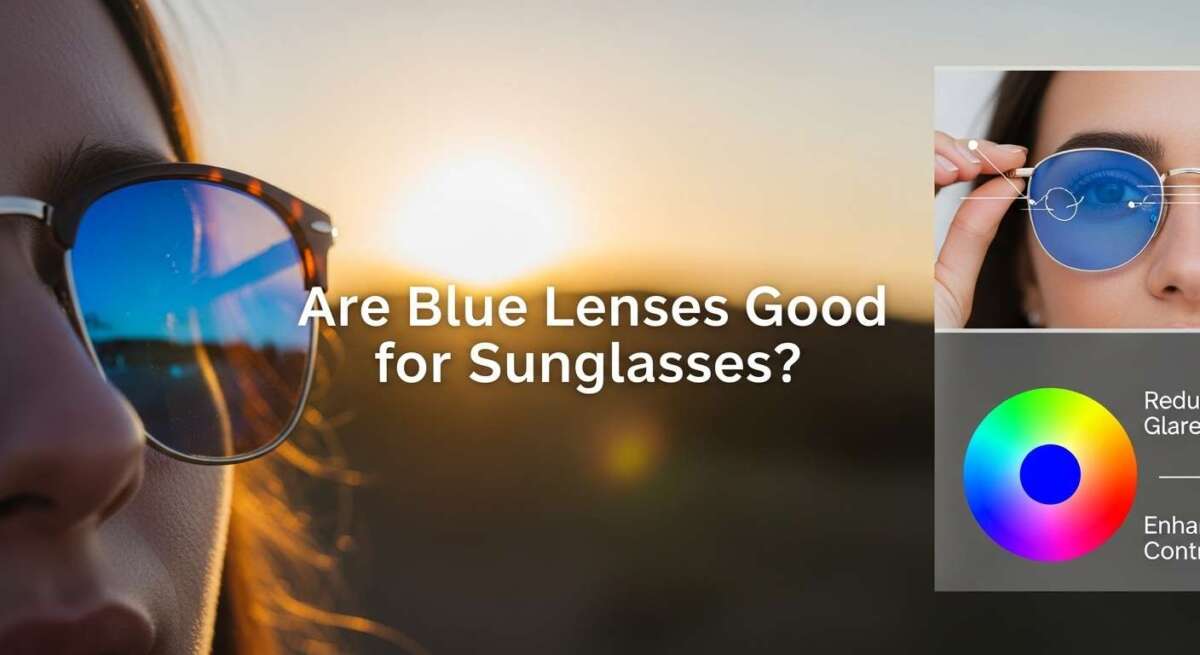
Are you wondering if blue lenses are a good choice for your next pair of sunglasses? Choosing the right lens color can make a big difference in how well your sunglasses protect your eyes and improve your vision outdoors.
Blue lenses have a unique look and are often praised for their style, but do they really offer the benefits you need? Before you decide, it’s important to understand how blue lenses affect your vision, comfort, and eye health. Keep reading to discover the truth about blue sunglasses lenses and find out if they’re the best fit for your lifestyle.
Blue Lens Benefits
There is limited scientific supportfor blue lens benefits. Some experts say these glasses might not improve eye healthor sleep quality. They may block too much blue light, causing disruption of natural sleep patterns. Wearing them during the day could make falling asleep at night harder.
Blue lenses can cause color distortion. Objects might look warmeror have a yellowish tint. This can be confusing, especially for tasks needing true colors.
Some users report headaches, dizziness, or general discomfortwhen wearing blue-light blocking glasses. There may also be a link to lowered moodor increased depressive symptoms.

Credit: paralleleyewear.com
Potential Drawbacks
Blue lightblocking glasses have mixed reviews. Some studies show little proofthey reduce eye strain. Wearing blue lenses all day might disrupt sleepby confusing your body’s natural clock. These lenses can also change colors, making things look yellowish or warmer. This color shift may be annoying for some users. A few people feel headaches or dizzinesswhen using these glasses. Mood changes like feeling down or depressedhave been reported too. Many experts say that the blue light from screens is very lowand not the main cause of eye problems.
Blue lenses often have a shiny reflection, which some find attractive. This look can be cool and stylishbut may also cause glare in bright light. Reflective coatings can affect how well you see in certain conditions.
| Cost Aspect | Benefit |
|---|---|
| Blue lenses usually cost more than clear lenses | May reduce blue light exposure slightly |
| Some brands add special coatings, raising price | Can improve style and appearance |
| Effectiveness not guaranteed, so cost might not match benefit | Good for casual wear, less for medical needs |
Practical Considerations
Blue lensesadd a cool look to sunglasses. They work best with white, black, or gray frames. These colors make the blue stand out more. For outfits, try casual wearlike jeans and t-shirts. Blue lenses also pair well with light colorssuch as pastels or soft earth tones.
Great outdoor activities for blue-lensed sunglasses include beach trips, hiking, and cycling. The lenses reduce glare from water and sky, helping your eyes feel less tired. They are good for sunny daysbut might not work well in low light.
| Season | Styling Tips |
|---|---|
| Spring | Pair with light jackets and floral prints |
| Summer | Match with bright colors and beachwear |
| Fall | Use with earth tones and cozy sweaters |
| Winter | Combine with dark coats and scarves |

Credit: revo.com
Style Tips With Blue Lenses
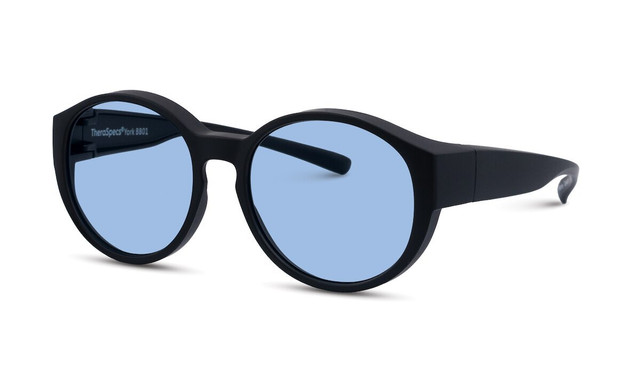
Blue lensesoffer a cool tint but can cause some color distortion. They often make objects look slightly warmer or yellowish. Gray lensesprovide the most natural color view and reduce overall brightness well. They are great for general useand keep colors true.
Brown lensesenhance contrast and depth perception. They work well in low lightor foggy conditions. Brown lenses are good for activities like drivingor sports. Blue lenses are mostly chosen for style rather than function.
| Activity | Best Lens Color | Reason |
|---|---|---|
| Driving | Brown | Improves contrast and depth perception |
| Outdoor Sports | Brown or Gray | Enhances clarity and reduces glare |
| Casual Wear | Blue | Fashionable but less functional |
Credit: www.theraspecs.com
Frequently Asked Questions
What Are The Disadvantages Of Blue Lens Glasses?
Blue lens glasses may cause color distortion, headaches, dizziness, and disrupt sleep patterns. Scientific proof of benefits remains limited. Some users report lowered mood, and lenses can reflect blue light, which may bother some. Their effectiveness against eye strain is debated, making cost a consideration.
Are Sunglasses With Blue Lenses Good?
Sunglasses with blue lenses reduce glare and enhance contrast but may distort colors. They offer limited protection against blue light and can cause discomfort for some users. Choose based on style and specific needs rather than expecting significant eye health benefits.
What Color Lenses Are Best For Sunglasses?
Gray lenses are best for true color perception and reduce overall brightness. Brown lenses enhance contrast and depth perception. Green lenses balance color and reduce glare. Choose based on your activity and light conditions for optimal eye protection and comfort.
Which Is Better, Green Or Blue Lens?
Green lenses reduce glare and enhance contrast, ideal for outdoor activities. Blue lenses block some blue light but may cause color distortion and discomfort. Choose green for natural color perception and blue for screen use, but green generally offers better clarity and comfort.
Conclusion
Blue lenses in sunglasses offer unique style and moderate glare reduction. They may not fully protect against all types of light or eye strain. Some users notice color changes and slight discomfort with extended wear. Consider your environment and needs before choosing blue lenses.
Regular UV protection remains essential for healthy eyes. Choose lenses that fit your daily activities and comfort. Blue lenses can be good, but they are not perfect for everyone.

Marry Christin, a passionate fashion designer and style enthusiast. Fashion isn’t just my profession—it’s my addiction! Along with my expert team, I bring you honest reviews of the latest fashion trends, including shoes, boots, sandals, dresses, and more.