
If you want the closest, smoothest shave possible, learning how to shave with a straight razor is a game-changer. This classic shaving method offers precision and a luxurious feel that cartridge razors simply can’t match.
But it’s not just about the results—using a straight razor also helps reduce skin irritation and can save you money and waste over time. Ready to discover how to master this skill safely and confidently? Keep reading, and you’ll learn step-by-step how to shave with a straight razor like a pro.
Your skin will thank you.
Benefits Of Straight Razor Shaving
Shaving with a straight razor offers many benefits beyond just removing facial hair. It provides a traditional shaving experience that improves the quality of your shave. This method is gentle on the skin and helps maintain healthy skin over time.
Many users find it rewarding because it combines precision and care. The straight razor delivers a close shave with less irritation. It also reduces waste and saves money in the long run. Understanding these benefits can help you decide if this shaving style suits you.
Closer, Smoother Shave
The straight razor has one sharp blade that cuts hair very close to the skin. This results in a smoother finish than many cartridge razors. You need fewer passes, which lowers the chance of skin damage. The shave feels clean and fresh, lasting longer.
Reduced Skin Irritation
Using a single blade reduces friction on the skin. Less friction means less irritation, redness, and razor burn. Fewer passes also lower the risk of ingrown hairs. This makes straight razors ideal for sensitive skin types. Your skin stays calm and comfortable after shaving.
Environmental And Cost Savings
Straight razors produce almost no waste compared to disposable cartridges. You only need to maintain and sharpen the blade. This reduces plastic waste significantly. Over time, it saves money since you don’t buy blades frequently. It is a more sustainable and budget-friendly choice.
Natural Exfoliation
The blade gently removes dead skin cells during shaving. This natural exfoliation helps keep your skin healthy and smooth. It promotes better skin renewal and prevents clogged pores. Regular use can improve skin texture and appearance.
Precision And Control
Straight razors allow more control over the shaving angle and pressure. This precision helps you shape facial hair exactly how you want. It is perfect for detailed grooming around beards and mustaches. You can avoid nicks and cuts with careful technique.
Challenges And Considerations
Shaving with a straight razor is rewarding but not without challenges. It demands focus and care to avoid mistakes. Understanding the main considerations helps prepare for a smooth experience. The following points highlight key challenges of straight razor shaving.
Steep Learning Curve
Using a straight razor takes practice. The blade is very sharp and requires steady hands. You must learn the right angle to hold the razor. Too steep or too flat can cause cuts or poor shaving. Beginners often need time to feel confident and safe.
Time Investment
Shaving with a straight razor is slower than using a regular razor. It needs careful strokes and attention to detail. Preparing the skin with warm water and shaving cream also takes time. Each shave can take 10 to 20 minutes. This is not ideal for quick morning routines.
Maintenance Needs
A straight razor needs regular care to stay sharp. Stropping before each shave aligns the blade edge. Periodic honing restores sharpness. The blade must be cleaned and dried after use to prevent rust. Maintenance requires tools and some skill, adding to the overall effort.
Risk Of Cuts
The sharp blade can easily cut the skin. Mistakes like pressing too hard or wrong angles cause nicks. Cuts can be painful and bleed. Beginners must shave slowly and carefully to reduce risk. Using proper technique and good lighting helps avoid accidents.
Essential Tools And Preparation
Shaving with a straight razor needs the right tools and proper preparation. These steps make the shave smooth and safe. You must prepare your razor and skin well. Using quality shaving cream or soap also helps.
Choosing The Right Razor
Select a straight razor that fits your hand comfortably. Choose one with a sharp, durable blade. Beginners may prefer a razor with a smaller blade. This helps control the shave and avoid cuts. Quality matters more than price for safety and comfort.
Stropping And Honing
Stropping keeps the blade sharp and ready. Use a leather strop before each shave. This aligns the blade’s edge for a smooth cut. Honing is needed less often to sharpen the blade fully. Use a fine whetstone for honing. A sharp blade reduces skin irritation and improves the shave.
Preparing Your Skin
Wash your face with warm water to open pores. Use a warm towel on your face for a few minutes. This softens the hair and skin. Soft hair is easier to cut and less painful. Avoid shaving dry skin to prevent cuts and irritation.
Selecting Shaving Cream Or Soap
Pick a shaving cream or soap that creates a thick lather. A rich lather protects your skin from the blade. It also helps the razor glide smoothly. Use a badger or synthetic brush to apply the lather. This lifts hairs and softens them for a closer shave.

Credit: www.milkmanaustralia.com
Step-by-step Shaving Technique
Shaving with a straight razor needs careful technique for the best results. Each step matters to avoid cuts and get a smooth finish. Follow this step-by-step guide to shave safely and effectively.
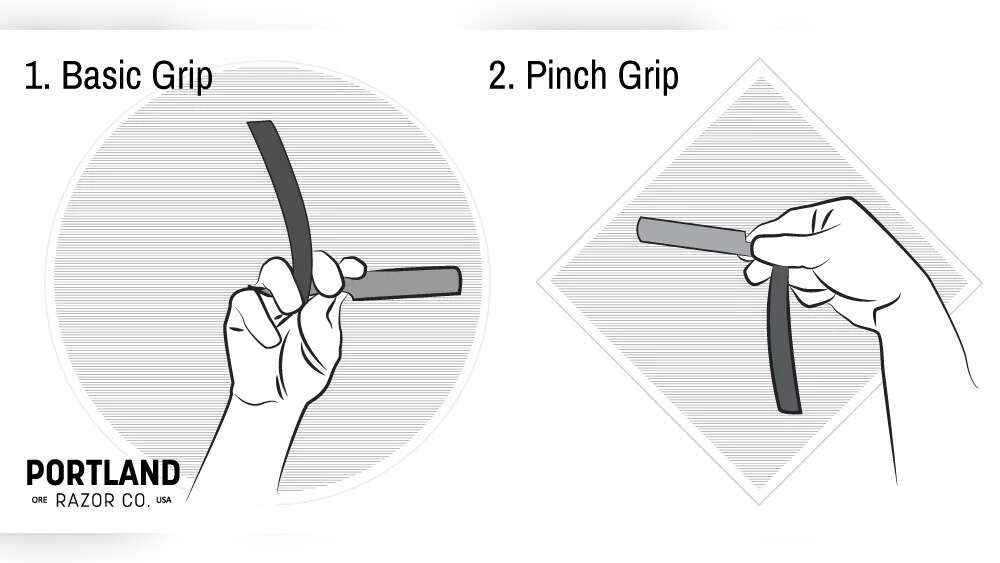
Proper Razor Grip
Hold the razor firmly but gently. Use your dominant hand, gripping the handle near the blade pivot. Your thumb should rest on the side of the blade, while your index, middle, and ring fingers support the opposite side. This grip gives control and precision.
Finding The Correct Angle
Keep the blade at about a 30-degree angle to your skin. Too steep can cause cuts; too flat won’t cut well. Adjust the angle by tilting the razor slightly as you shave. Practice until you feel the blade slicing smoothly.
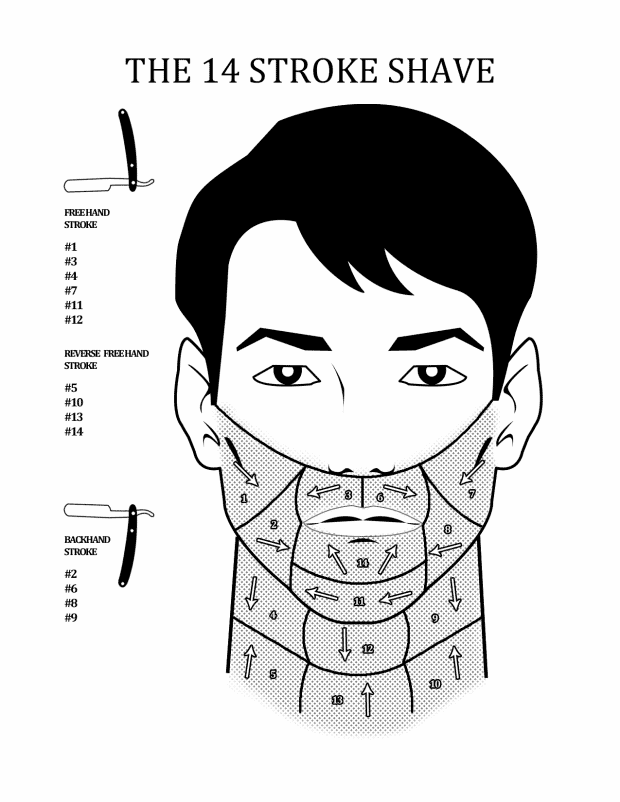
Shaving With The Grain
Start shaving in the direction your hair grows. This reduces irritation and cuts. Use short, light strokes. Do not press hard; let the blade do the work. Rinse the razor often to keep it clean and sharp.
Second Pass Techniques
After the first pass, reapply shaving cream. Shave across or against the grain for a closer shave. Be extra careful and use very light pressure. This pass removes remaining stubble without hurting your skin.
Post-shave Care
Rinse your face with cold water to close pores. Pat dry with a clean towel. Apply an alcohol-free aftershave or moisturizer to soothe the skin. Clean and dry your razor before storing it safely to keep it sharp and rust-free.
Who Should Try Straight Razor Shaving
Shaving with a straight razor is a unique experience that suits certain people well. It requires skill, patience, and care. Not everyone will find it easy or comfortable at first. Knowing who should try this method helps you decide if it fits your routine and skin type.
The right person can enjoy a very close shave and less irritation. The process takes time but can become a satisfying daily ritual. Let’s explore who benefits most and who should avoid straight razor shaving.
Ideal Candidates
Men with coarse or thick facial hair often see great results. The sharp blade cuts hair cleanly, preventing tugging. People with sensitive skin may find fewer razor burns and less irritation. Those who enjoy grooming rituals and have patience will appreciate the technique. Beginners who want to learn proper shaving skills can benefit too. Men willing to invest time in maintenance will get the best results.
When To Avoid
People with very sensitive or acne-prone skin might find it harsh. If you have deep scars or skin conditions, avoid straight razors. Anyone in a hurry should skip this method for now. Beginners without steady hands or focus could risk cuts. Those who dislike regular blade care and sharpening should choose safer options. If your lifestyle demands quick grooming, straight razors may not suit you.

Credit: www.youtube.com
Credit: deoveritas.com
Frequently Asked Questions
Is It Better To Shave With A Straight Razor?
Shaving with a straight razor delivers a closer, smoother shave and reduces skin irritation. It requires practice, maintenance, and more time. It offers precision, cost savings, and environmental benefits but suits those patient enough to master the technique.
Why Can’t I Get A Clean Shave With A Straight Razor?
You can’t get a clean shave with a straight razor due to improper angle, dull blade, or insufficient prep. Practice, correct technique, and blade maintenance improve results.
Why Did Barbers Stop Using Straight Razors?
Barbers stopped using straight razors due to higher risk of cuts, time-consuming maintenance, and the rise of safer, faster disposable razors.
Should I Shave My Pubes With A Straight Razor?
Shaving pubic hair with a straight razor provides a close, smooth shave but demands skill and caution. It risks cuts and requires maintenance. Beginners should practice patience and proper technique to avoid irritation or injury. Consider time and safety before choosing this method.
Conclusion
Shaving with a straight razor takes practice and care. Start slow and focus on technique. Keep your blade sharp and clean for the best results. This method gives a close, smooth shave with less skin irritation. It also helps save money and reduces waste.
Enjoy the process and feel the difference each time you shave. Patience and consistency bring better results. Your skin will thank you for the gentle touch. Try it step by step, and soon it will feel natural.

Rubel Miah is the co-founder and senior writer at MyFashionGrid, where he shares practical and expert-backed male grooming advice. With years of experience testing grooming products and perfecting men’s style routines, Rubel’s goal is to help men look sharp and feel confident—whether it’s mastering the perfect shave, finding the right haircut, or upgrading their daily grooming game. When he’s not writing, you’ll find him experimenting with new razors or exploring the latest trends in men’s fashion and self-care.