
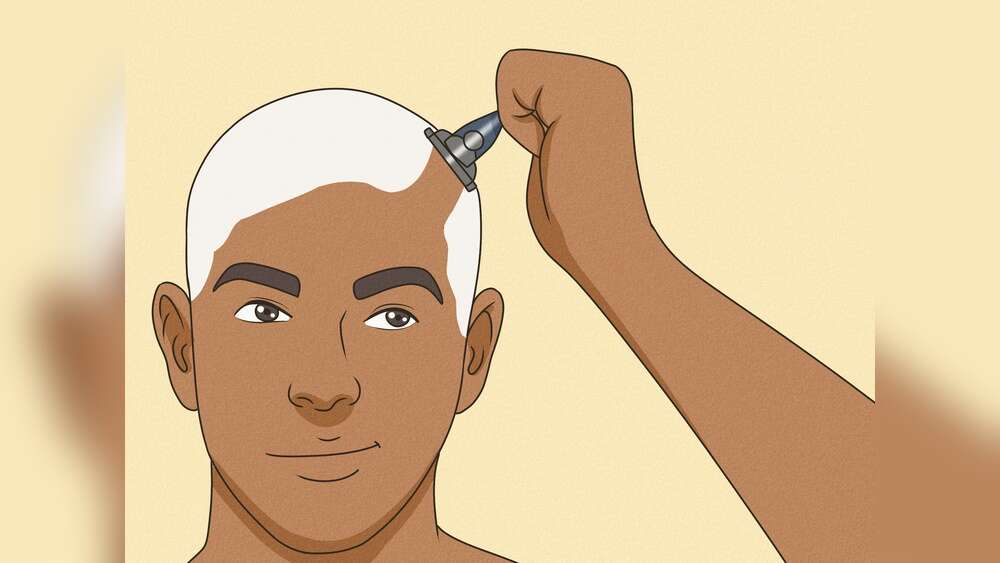
Thinking about shaving your head but not sure where to start? You’re not alone.
Whether you want a fresh new look, to stay cool in the Texas heat, or simply prefer the ease of a bald style, shaving your head can be a game-changer. But here’s the thing—doing it right makes all the difference.
You want a smooth, clean shave without cuts, irritation, or uneven patches. Imagine running your hand over your scalp and feeling nothing but smooth skin. Sounds great, right? In this guide, you’ll discover simple, step-by-step tips to shave your head safely and effectively. Ready to master the art of head shaving? Keep reading, and you’ll learn how to get that perfect, confident look every time.
Tools Needed
Shaving your head requires the right tools for a smooth, safe experience. Choosing the proper equipment helps avoid cuts and irritation. It also makes the process quicker and more comfortable. Below, learn about the main tools you need for head shaving.
Razors Vs Electric Shavers
Razors give a very close shave. They cut hair right at the skin’s surface. You need to be careful to avoid nicks and cuts. Using shaving cream or gel is a must with razors.
Electric shavers are easier to use. They have guards that protect your skin from blades. This reduces the chance of cuts and irritation. They work well on dry or damp hair. Electric shavers are great for beginners or quick touch-ups.
Additional Supplies
Shaving cream or gel softens hair and protects skin. A good moisturizer helps soothe skin after shaving. A mirror is useful to see all parts of your head clearly. Towels are needed to dry your head before and after shaving.
Using an exfoliating scrub before shaving removes dead skin. This prevents bumps and ingrown hairs. A gentle aftershave or aloe vera gel calms skin and reduces redness. Keeping your tools clean ensures a better shave and prevents infection.
Preparing Your Head
Preparing your head is the first step before shaving. This helps you get a smooth and comfortable shave. Taking the time to prepare your scalp reduces irritation and cuts. Follow simple steps to get your head ready.
Cleaning And Trimming
Start by washing your scalp with warm water and a mild shampoo. This removes dirt, oil, and dead skin. Clean skin helps the razor glide smoothly. After washing, dry your head gently with a clean towel.
If your hair is long, trim it down first. Use hair clippers or scissors to cut hair short. Short hair makes shaving easier and prevents clogging the razor. Trim close but avoid cutting too close to the skin.
Soften The Hair And Skin
Softening hair and skin makes shaving less harsh. Use warm water or a warm towel on your scalp for a few minutes. This opens hair follicles and softens hair strands.
Apply a shaving cream or gel to protect your skin. It creates a smooth surface and reduces friction. Let the cream sit for a minute before shaving. Soft hair and skin help you avoid bumps and razor burn.
Shaving Techniques
Shaving your head requires a careful approach to achieve a smooth, even finish. Using the right techniques helps avoid cuts and irritation. Follow simple steps to make the process easier and safer.
Focus on how you move the razor and check your progress regularly. These shaving techniques improve comfort and results.
Starting From The Back
Begin shaving at the back of your head. This area is less sensitive and easier to reach. Place the razor gently against your scalp. Move the razor upward in slow, steady strokes. This direction follows hair growth, reducing skin irritation. Take your time and cover the entire back area before moving forward.
Using Short Strokes
Use short, controlled strokes with your razor. Short strokes give better control and help you avoid missing spots. They also reduce the chance of cuts. Keep the razor close to your skin but do not press hard. Let the blade do the work for a smooth shave. Rinse the razor often to keep it clean and sharp.
Checking For Missed Spots
After shaving, feel your scalp for any rough areas. Missed spots feel different from smooth skin. Use a mirror to look at hard-to-see areas. Go over these spots gently with the razor. Make sure your scalp feels even and smooth. Finish by rinsing your head with cool water to close pores.

Credit: cremocompany.com
Post-shave Care
Taking care of your scalp after shaving is important to keep it healthy and smooth. Post-shave care helps prevent irritation, dryness, and bumps. Simple steps can make your scalp feel comfortable and look great.
Rinsing And Moisturizing
Rinse your head with cool water to remove leftover shaving cream and hair. Cool water soothes the skin and closes pores. After rinsing, gently pat your scalp dry with a soft towel. Avoid rubbing, as it can irritate the skin.
Apply a gentle moisturizer designed for sensitive skin. Moisturizing keeps your scalp hydrated and soft. Choose a lotion that is fragrance-free to avoid irritation. Regular moisturizing reduces dryness and flakiness after shaving.
Applying Aftershave
Use a mild aftershave to calm the skin and prevent infections. Look for aftershave products with natural ingredients like aloe vera or witch hazel. Avoid aftershaves with alcohol, as they can dry out your scalp.
Apply aftershave by patting it gently on your scalp. This step helps reduce redness and soothes razor burns. Consistent use of aftershave improves the skin’s texture and keeps your scalp feeling fresh.
Common Mistakes To Avoid
Shaving your head can be simple and refreshing. Avoiding common mistakes makes the process smooth and safe. Many beginners rush and end up with cuts or irritation. Taking time and following good habits ensures a clean, comfortable shave.
Shaving Dry Hair
Shaving dry hair can cause skin irritation and razor burns. Hair is harder and less flexible without water. This makes the razor tug and pull on hair strands. Wet hair softens and lifts the hair for easier cutting. Always wet your scalp with warm water before shaving. Use shaving cream or gel to protect the skin. This reduces friction and helps the razor glide smoothly. Avoid rushing the shave on dry hair to prevent nicks and pain.
Using Dull Blades
Dull blades cause more harm than good. They tug hair instead of cutting cleanly. This can lead to cuts, redness, and bumps. A sharp blade gives a smooth, close shave quickly. Change your razor blade after 5 to 7 uses. If you feel any pulling or discomfort, swap the blade immediately. Keeping blades sharp reduces skin irritation and saves time. Clean the razor after every stroke to keep it sharp longer.

Credit: www.wikihow.com
Hair Regrowth Facts
Understanding how hair grows back after shaving helps set real expectations. Many believe shaving changes hair texture or growth speed. This is not true. Shaving only cuts hair at the surface. It does not affect the root or follicle beneath the skin. Hair regrowth depends on natural biological processes and varies by person.
How Hair Grows After Shaving
Hair grows from follicles under the skin. Shaving cuts hair above the skin without touching follicles. The follicle remains healthy and continues to produce hair normally. Hair usually grows about half an inch every month. At first, new hair feels coarse or thick. This happens because the hair shaft is blunt after shaving. Over time, hair softens and looks the same as before.
Factors Affecting Regrowth
Genetics play a major role in hair regrowth speed and thickness. Age also affects hair growth, with slower growth as people get older. Health and diet impact hair condition and growth rate. Stress and illness can slow down hair growth temporarily. Using certain hair products or treatments may change hair texture but not growth speed. Proper scalp care helps keep follicles healthy for steady regrowth.
Fixing A Shaved Hairline
Fixing a shaved hairline can feel tricky. A sharp, clean hairline defines the look of a shaved head. Sometimes, the hairline may appear uneven or too harsh after shaving. Correcting this takes patience and care. Two main ways help fix a shaved hairline: waiting for natural growth and seeking professional help.
Waiting For Natural Growth
Allowing your hair to grow back is the simplest way to fix a shaved hairline. Hair grows about half an inch per month. As it grows, small mistakes or uneven edges become less visible. Patience is key here. Avoid shaving the hairline again too soon. Let the hairline soften and fill in naturally. During this time, keep your scalp clean and moisturized. Healthy skin supports strong hair growth. If the hairline still looks uneven after a few weeks, trimming it gently with scissors can help shape it better.
Seeking Professional Help
Visiting a barber or stylist offers precise hairline correction. Professionals use sharp tools and skills to reshape your hairline smoothly. They can create a natural curve or straight edge based on your face shape. A professional can also fix any skin irritation or cuts from shaving. Some barbers use special techniques to blend the hairline with the rest of the scalp. This option is best for those who want quick and clean results. Regular visits keep the hairline looking sharp and neat over time.
Maintaining A Smooth Head
Maintaining a smooth head requires more than just shaving. It demands care and attention to keep the scalp healthy and looking great. Proper upkeep helps avoid irritation and keeps the skin soft. A smooth scalp feels good and looks sharp.
Shaving Frequency Tips
Shave your head regularly to keep it smooth. Every two to three days works well for most people. This timing prevents hair from growing too long and causing roughness. If your hair grows fast, shave more often. Use a sharp razor to avoid pulling or cutting the skin.
Rinse your razor after each stroke. This keeps it clean and effective. Change blades often to reduce the risk of irritation. Listen to your skin; if it feels sore or red, give it a break. Adjust your schedule to find what suits your scalp best.
Skincare Routine
Start with cleansing your scalp daily. Use a gentle cleanser to remove dirt and oil. Avoid harsh soaps that dry out your skin. After washing, apply a moisturizer to keep the scalp hydrated. Look for products with soothing ingredients like aloe vera or chamomile.
Use sunscreen on your head when going outside. The scalp is sensitive and can burn easily. Choose a sunscreen designed for the face or scalp. Apply it even on cloudy days to protect against UV damage. Good care keeps your skin healthy and smooth.
Choosing Between Razor And Electric
Choosing between a razor and an electric shaver is a key step in shaving your head. Each tool offers unique benefits and challenges. Understanding these helps you pick the right one for your needs. Your comfort, skin type, and style all play a role.
Safety Considerations
Electric shavers usually have guards to protect your skin. This lowers the chance of cuts and nicks. Razors have exposed blades, which can easily cause injuries if used incorrectly. People with sensitive skin may find electric shavers less irritating. Always use clean and sharp blades to avoid infections. Applying shaving cream or gel with a razor helps reduce skin damage. Take your time for a safe shave.
Ease And Speed
Electric shavers are quick and easy to use. They work well for regular maintenance and short hair. You can shave your head dry without water or foam. Razors take more time and need water and shaving cream. The process is slower but can give a closer shave. Beginners might find electric shavers simpler to handle. Razors require more skill but provide a very smooth finish.

Credit: www.myfreebird.com
Frequently Asked Questions
Is There A Proper Way To Shave Your Head?
Start by washing and softening your scalp with warm water. Apply shaving cream evenly. Use a sharp razor, shave gently against hair growth. Rinse the blade often. Check for missed spots and shave carefully again. Finish by rinsing and applying soothing aftershave or moisturizer.
Is It Better To Shave Your Head With A Razor Or Electric Shaver?
Electric shavers offer safer, quicker head shaving with less risk of cuts. Razors provide a closer shave but require more care to avoid nicks. Choose based on your skin sensitivity and desired smoothness.
Will My Hairline Grow Back If I Shave My Head?
Shaving your head does not affect hair follicles. Your hairline will grow back if follicles are healthy. Hair regrows at about half an inch per month. Shaving only cuts hair above the skin, so hair returns naturally, though it may feel stubbly during regrowth.
How To Shave Your Head With Clippers By Yourself?
Start with clean, dry hair. Attach a guard to the clippers for desired length. Shave evenly from back to front. Remove the guard for a closer shave if preferred. Use smooth, steady strokes and check for missed spots. Clean clippers and apply moisturizer after shaving.
Conclusion
Shaving your head can feel simple with the right steps. Start slow, use a good razor or electric shaver, and be gentle. Always prepare your scalp with warm water and shaving cream. Check your head for smooth spots and shave again if needed.
Finish by moisturizing to keep your skin healthy. With practice, shaving your head becomes easy and comfortable. Remember, patience and care help you get the best results every time.

Rubel Miah is the co-founder and senior writer at MyFashionGrid, where he shares practical and expert-backed male grooming advice. With years of experience testing grooming products and perfecting men’s style routines, Rubel’s goal is to help men look sharp and feel confident—whether it’s mastering the perfect shave, finding the right haircut, or upgrading their daily grooming game. When he’s not writing, you’ll find him experimenting with new razors or exploring the latest trends in men’s fashion and self-care.