
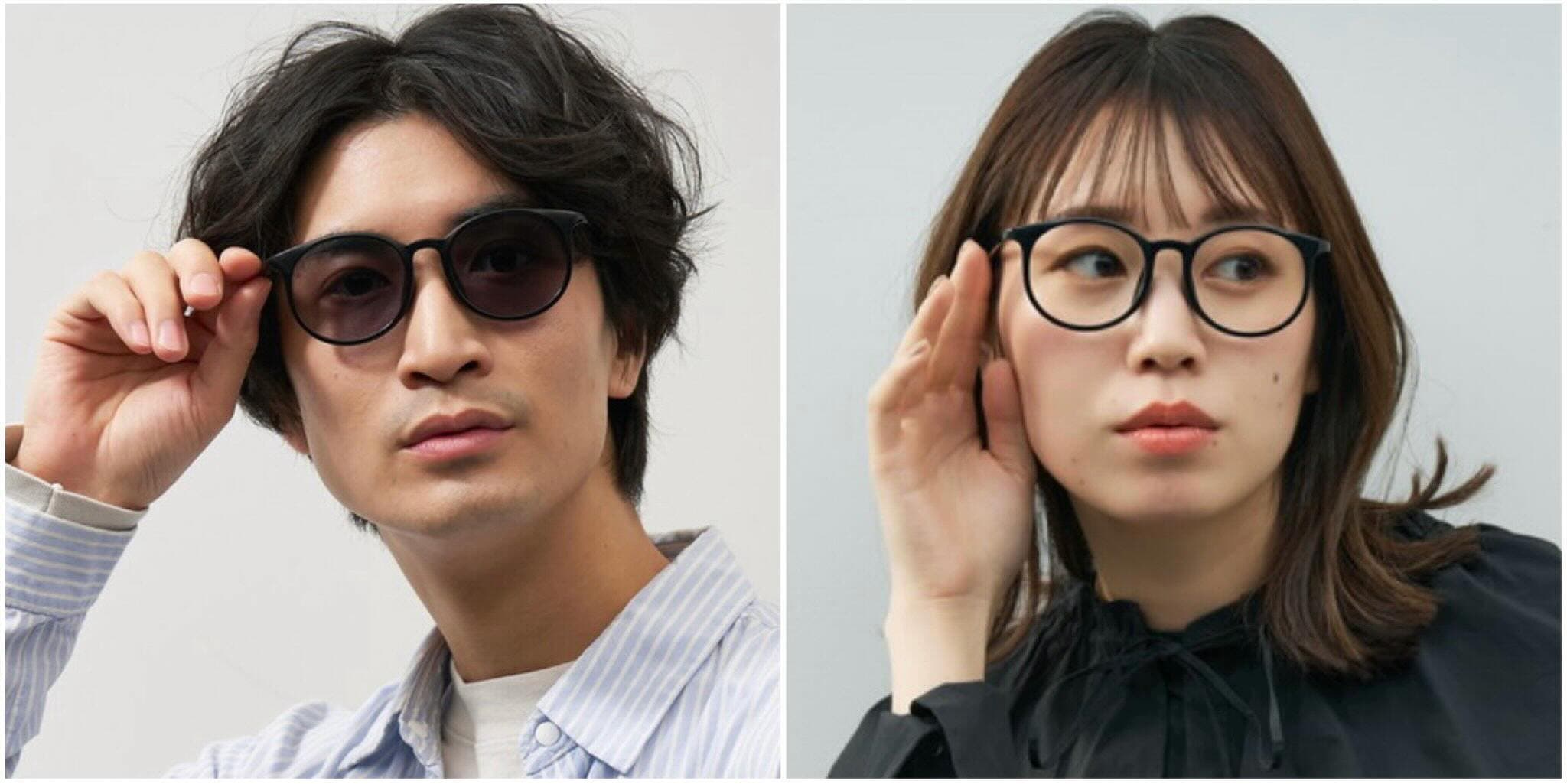
Are you wondering if wearing sunglasses in Japan is a good idea? Maybe you’re planning a trip and want to blend in while protecting your eyes from the sun.
Sunglasses are common accessories around the world, but Japan has its own unique cultural attitudes toward them. You might be surprised to learn when it’s fine to wear sunglasses and when it could be seen as disrespectful. Keep reading to discover what you need to know to stay comfortable, stylish, and respectful during your visit to Japan.
This simple guide will help you avoid awkward moments and enjoy your trip with confidence.

Credit: vocal.media
Sunglasses And Japanese Culture
In Japan, sunglasses are less commonthan in many Western countries. Japanese people often see wearing sunglasses as a way to hide emotions or avoid eye contact. This can sometimes make others feel uncomfortable or suspicious. For this reason, sunglasses are usually worn only for practical reasons, like protecting eyes from strong sunlight or while driving.
The historical and social contextshows that clear communication and trust are very important in Japan. Eyes are seen as a way to connect with others, so covering them might be seen as rude or distant. In some cases, sunglasses might be used by celebrities or for fashion, but this is not typical among everyday people.
Credit: www.ebay.com
When Sunglasses Are Appropriate
Sunglassesare common during outdoor activitiesand sunny daysin Japan. Wearing them while walking, hiking, or at the beach is generally fine. They help protect your eyes from bright sunlightand UV rays. In crowded urban areas, people may notice sunglasses, but it is not rude to wear them outside.
Touristsoften wear sunglasses to stay comfortable and shield their eyes from glare. Japanese people usually avoid sunglasses indoors or in social settings, as it might seem unfriendlyor secretive. Tourists should follow this to show respect for local customs.
Situations To Avoid Wearing Sunglasses
Wearing sunglassesduring interpersonal interactionscan seem rude. Eye contact shows respectand trust. Covering eyes might make others feel uncomfortableor distrustful.
In religious and ceremonial settings, sunglasses are seen as disrespectful. These places need seriousnessand focus. Removing sunglasses shows honorfor traditions and customs.
Indoor venueslike restaurants, theaters, and formal places are not right for sunglasses. Wearing them indoors can seem impoliteor showing off. It is best to take sunglasses off to blend inand show manners.
Sunglasses And Trust Perceptions
Sunglassescan block important eye contact. This may make people feel less trustingor unsure. In Japan, direct eye contactis a sign of honesty and respect. Wearing sunglasses hides this, which can seem suspicious.
Eyes help show feelings and build connections. Without seeing them, communication can feel coldor distant. People may think you want to hide something or are not being truthful.
Because of this, many Japanese avoid sunglasses indoors or in social settings. Using them too much might cause misunderstandingsor make others feel uncomfortable.
Fashion And Sunglasses In Japan
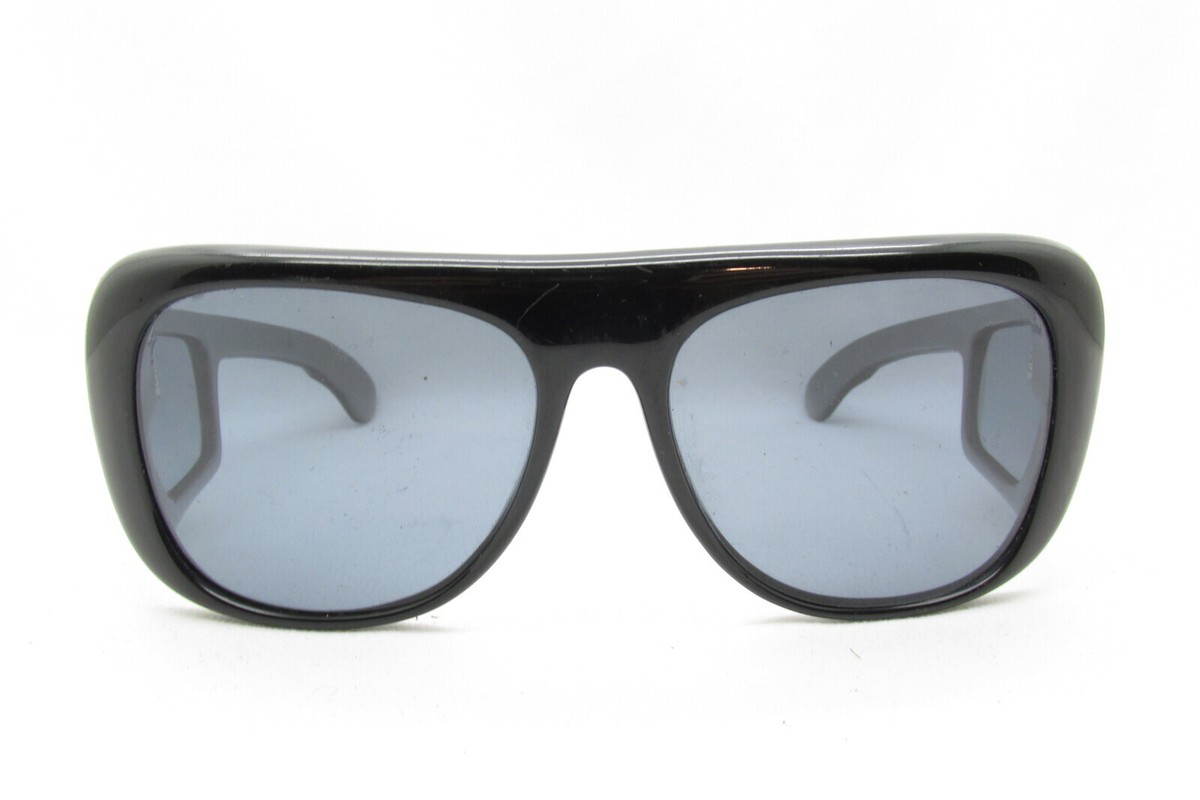
Sunglassesin Japan are mainly seen as a fashion accessory. Many Japanese people prefer subtle and elegant styles. Dark, large sunglasses are not common. Instead, smaller frames and lighter colors fit better with local tastes.
Western countries often favor bold and flashy sunglasses. In Japan, minimalismand harmony with outfits matter more. Wearing sunglasses indoors or at night is usually avoided. This difference shows how cultural values affect fashion choices.
People in Japan sometimes view sunglasses as a way to hide emotions. This can seem unfriendlyor secretive. Foreign visitors should wear sunglasses politely and remove them when talking to others.
Practical Tips For Wearing Sunglasses
Removing sunglassesshows respect in many Japanese settings. Take them off when greeting someone or entering indoor places. It helps to make eye contact and appear sincere. Wearing sunglasses indoors or during conversations might seem rude or untrustworthy.
Choose simple stylesthat are not too flashy. Black or brown frames are safer choices. Avoid sunglasses with bright colors or large logos. Keep your look neat and subtle to blend in better with local customs.

Credit: echolensmag.com
Frequently Asked Questions
Are Sunglasses Not Allowed In Japan?
Sunglasses are allowed in Japan and practical on sunny days. Japanese rarely wear them due to cultural norms, but tourists use them freely. Wearing sunglasses is acceptable and won’t cause issues.
Should I Bring Sunglasses To Japan Reddit?
Yes, bring sunglasses to Japan for sun protection. Locals rarely wear them, but tourists commonly do without problems. Wearing sunglasses is acceptable and practical.
Do People In Japan Wear Glasses?
Yes, many Japanese people wear glasses for vision and fashion. Sunglasses are less common but acceptable, especially among tourists.
Is Eye Contact Frowned Upon In Japan?
In Japan, prolonged eye contact may seem rude or confrontational. People often avoid direct eye contact to show respect and humility. Brief eye contact is acceptable during conversations. Adjust your gaze to be polite and avoid staring. This cultural norm differs from Western practices.
Conclusion
Sunglasses in Japan are not forbidden but seen differently. Many Japanese avoid wearing them to show trust and openness. Tourists wearing sunglasses usually do not cause trouble. Wearing sunglasses on sunny days is practical and accepted. Respect local customs by removing sunglasses indoors or in meetings.
Simple kindness and awareness go a long way. Enjoy your trip and blend comfort with respect. Sunglasses can be your friend if used thoughtfully in Japan.

Marry Christin, a passionate fashion designer and style enthusiast. Fashion isn’t just my profession—it’s my addiction! Along with my expert team, I bring you honest reviews of the latest fashion trends, including shoes, boots, sandals, dresses, and more.