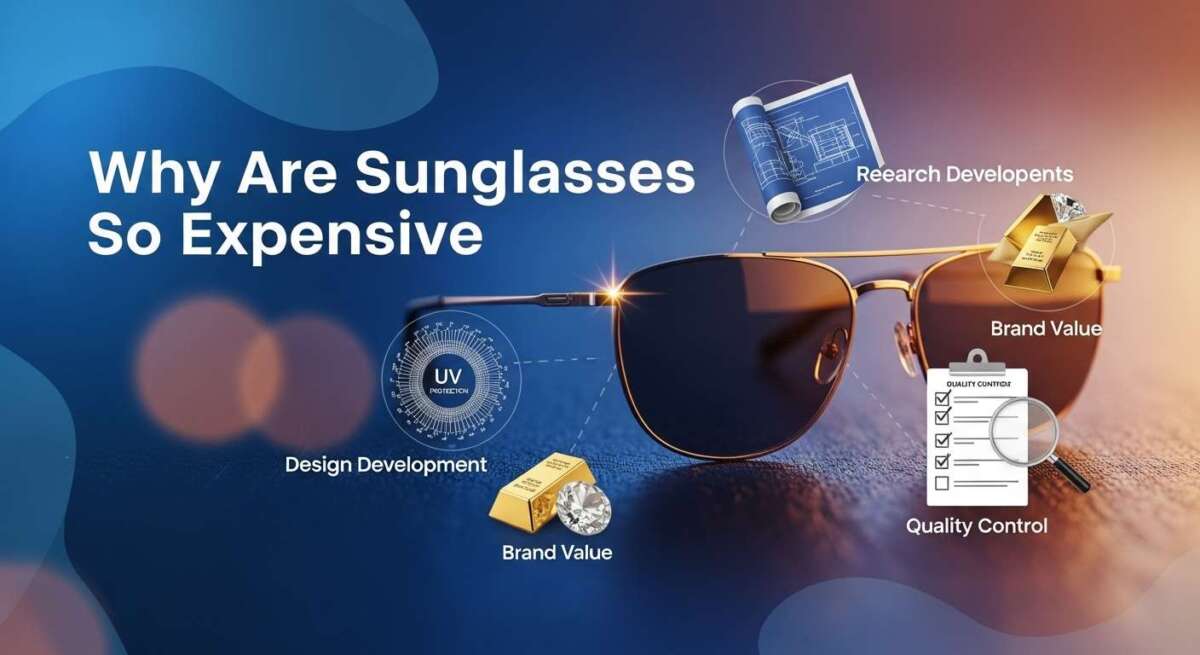
Have you ever stood in front of a sunglasses display and wondered why some pairs cost a small fortune? You might ask yourself, “Why are sunglasses so expensive?” It’s not just about protecting your eyes or looking stylish—there’s a lot more behind that price tag than meets the eye.
From the materials used to the brand name you’re paying for, and even the way companies control the market, every factor plays a role in driving up the cost. If you want to understand what really makes those shades pricey and whether it’s worth splurging on a high-end pair, keep reading.
You might be surprised by what you discover!

Credit: www.sunhuntersco.com
Brand Influence
Status and reputationplay a big role in the price of sunglasses. Famous brands often charge more because people want to show they have luxury items. Wearing well-known brands can make people feel special or important. These brands spend a lot on advertisingto create a strong image. Ads on TV, magazines, and social media cost a lot of money. The cost of these ads is added to the price of sunglasses.
Marketing also helps brands stay popular. Companies pay celebrities or influencers to wear their sunglasses. This makes many people want the same style. The demand goes up, so prices rise too. Expensive sunglasses are often seen as fashion statements, not just eye protection. This perception allows brands to keep prices high.
Lens Quality
Polarizationhelps reduce glare from surfaces like water or roads. It makes vision clearer and more comfortable. UV protectionblocks harmful ultraviolet rays from the sun. This keeps eyes safe from damage and long-term problems.
Specialized coatingsadd extra value to lenses. Anti-reflective coatings reduce glare from light reflecting off the lens. Scratch-resistant coatings make lenses last longer and stay clear. Some lenses also have water or oil repellent layers to keep them clean.
These features require advanced technology and high-quality materials. They make lenses cost more to produce. That explains why sunglasses with good polarization, UV protection, and coatings are usually more expensive than basic models.
Frame Materials
Premium acetate and metals are used in many expensive sunglasses frames. These materials offer better strengthand long-lasting wear. Acetate is a type of plastic that feels smooth and looks colorful. It is lightweight but very durable. Metals like stainless steel, titanium, and aluminum give frames a sleek look and resist rust. They also add flexibilityand comfort.
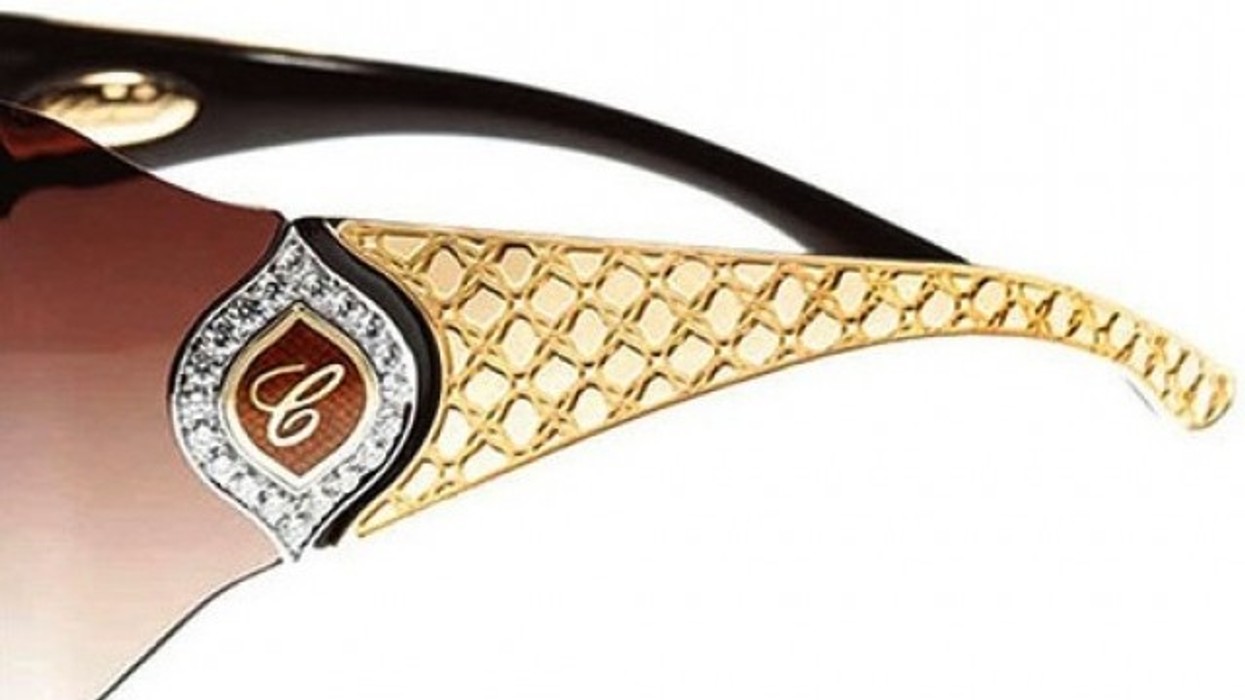
Frames made from these materials are often handcrafted. This process takes time and skill, increasing the cost. Designers create unique shapes and details, which add to the price. The combination of premium materialsand fine designmakes sunglasses both stylish and sturdy.

Credit: www.sunhuntersco.com
Market Control
The sunglass market is mainly controlled by a few large companies. These conglomeratesown many popular brands. This reduces competitionand lets them set higher prices. They control both productionand distribution, making it hard for smaller brands to compete.
Because these big firms dominate, they influence the costs customers pay. They use their power to keep prices high. Buyers often pay more for the nameand brand reputationthan just the product quality.
Retail Markups
Retailers often add a high markupto sunglasses. This means the price you pay is much more than what the store paid for them. Profit marginson sunglasses can be very large, sometimes up to 100% or more.
Some brands include add-ons and extrasto justify higher prices. These extras can be special lens coatings, designer cases, or branded cleaning cloths. These small features can make sunglasses cost more, even if they don’t change how well they protect your eyes.
| Cost Factor | Impact on Price |
|---|---|
| Wholesale Price | Base cost to retailer |
| Retail Markup | Often 50% to 100% or more |
| Branding | Increases perceived value |
| Add-ons | Extra features raise price |
Credit: telegrafi.com
Comparing Price And Performance
Expensive sunglassesoften use better materialslike titanium frames and high-quality lenses. These lenses block more UV raysand reduce glare with polarized coatings. Brands spend a lot on design and advertising, which raises prices.
Affordable sunglasses usually have plastic frames and simple lenses. They may not protect eyes as well or last long. Yet, they serve basic needs at a low cost.
| Feature | Expensive Sunglasses | Affordable Sunglasses |
|---|---|---|
| Lens Quality | Polarized, UV protection, scratch resistant | Basic tint, less UV protection |
| Frame Material | Metal, high-grade plastic, durable | Cheap plastic, less durable |
| Brand & Design | Famous brands, stylish, trendy | Generic brands, simple designs |
| Price | High ($100+) | Low ($10-$30) |
Is paying more always worth it? It depends on needs. For long-term use and eye safety, expensive sunglasses can be better. For casual or short use, affordable ones may suffice.
Frequently Asked Questions
How Can Sunglasses Be So Expensive?
Sunglasses cost more due to premium materials, advanced lens features like polarization, and strong brand marketing. Luxury brands charge for style, status, and quality craftsmanship. Large companies dominate the market, allowing higher markups. Consumers often pay extra for brand reputation and exclusive designs.
Is $200 Too Much For Glasses?
$200 for glasses is reasonable when factoring in quality lenses, durable frames, and features like polarization and UV protection. Brand reputation and marketing also influence price. Affordable options exist, but $200 often reflects better materials and enhanced visual comfort.
Is $600 A Lot For Glasses?
Spending $600 on glasses is high for most but can reflect premium lenses, durable frames, and brand value. Quality, style, and lens technology often justify the price. Choose based on your budget and needs.
What Is The No. 1 Brand Of Sunglasses?
Ray-Ban is the No. 1 sunglasses brand globally, known for quality, style, and iconic designs. It leads in popularity and sales.
Conclusion
Sunglasses cost more because of quality materials and special lenses. Big brands spend a lot on marketing and design. They also pay for UV protection and polarization features. Many buyers pay extra for style and brand name. Some cheaper pairs have similar lens technology inside.
Still, brand reputation can raise the price a lot. Understanding these factors helps explain the high costs. Choose sunglasses that fit your needs and budget. Quality eye protection is worth the investment.

Marry Christin, a passionate fashion designer and style enthusiast. Fashion isn’t just my profession—it’s my addiction! Along with my expert team, I bring you honest reviews of the latest fashion trends, including shoes, boots, sandals, dresses, and more.