If you just had cataract surgery, I know how bright the world can feel right now — I went through it myself last year. The right sunglasses can make healing easier and more comfortable. But not every pair gives the UV protection or wraparound comfort your eyes need.
After my surgery, even a bit of sunlight felt harsh, especially while driving. That’s when I learned how important 100% UVA and UVB protection really is. These lenses cut glare and protect your eyes while they heal. I also found that wraparound sunglasses block light from all sides, and polarized lenses help reduce glare from the road or water.
Some styles fit right over your prescription glasses, which I loved during my recovery. Light, strong frames also make a big difference when you wear them all day. Let’s look at some of the best sunglasses for after cataract surgery that offer protection, comfort, and real-life convenience.
Why Sunglasses Matter After Cataract Surgery
When your cloudy natural lens is replaced by a clear intraocular lens (IOL), more light can enter your eye than before. Surgeons often tell patients this makes the retina more exposed to bright light and glare. As a result, many people experience light sensitivity after cataract surgery.
I remember walking outside a few days after my surgery — even a shaded sidewalk felt glaring. That’s when I wished I had a good pair of post cataract surgery sunglasses ready.
Doctors and eye care centers recommend wearing sunglasses that block 100% UVA and UVB, also called UV400 wraparound sunglasses, right after surgery. These sunglasses serve as a protective shield. They take off the “harshness” of light while your eyes heal.
Most IOLs include some UV filtering, but that alone isn’t enough. You still need external sunglasses to block stray rays, side light, and glare.
In those early days and weeks, your eyes are especially vulnerable. Sensitivity often lasts through the first month. Wearing good sunglasses during that “sensitive window” helps reduce strain, prevent discomfort, and support healing.
In short: your best sunglasses after cataract surgery aren’t just cosmetic. They’re a vital tool for protecting your eyes during recovery.
Key Features to Look For
When choosing the best sunglasses for after cataract surgery, checking certain features matters more than brand names. Below are the must-haves I learned about (and tested) during my recovery.
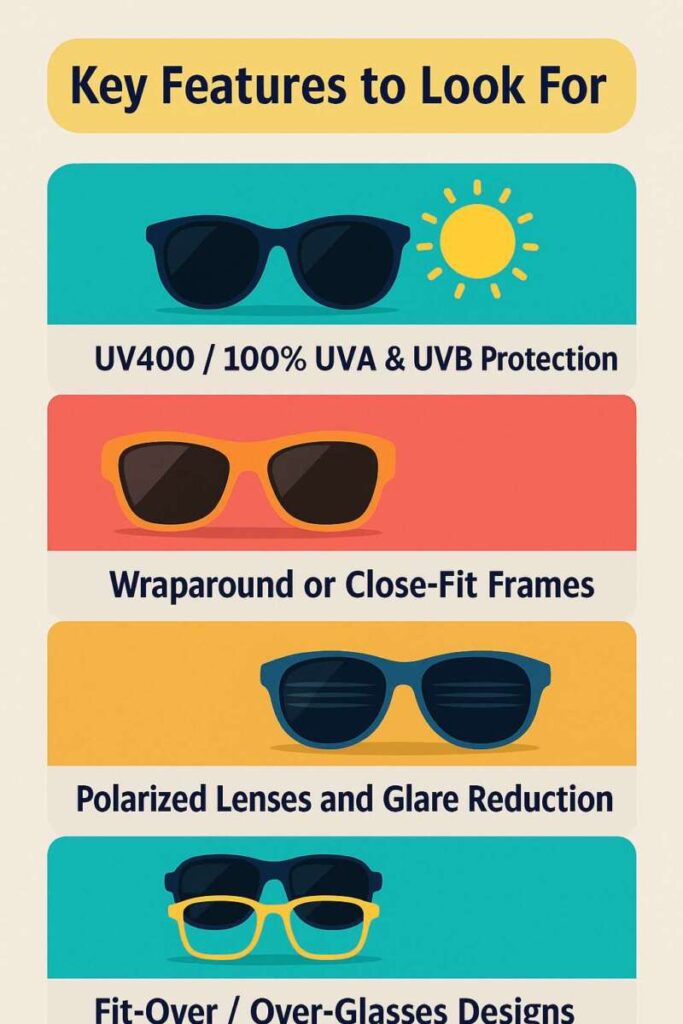
a) UV400 / 100% UVA & UVB Protection
This is non-negotiable. Your lenses must block all ultraviolet light.
While many modern intraocular lenses (IOLs) already filter some UV, external sunglasses still add critical protection. I wore mine even when indoors by a bright window.
Make sure labels say UV400 or 100% UVA/UVB. Don’t settle for anything less.
b) Wraparound or Close-Fit Frames
Sunlight doesn’t just come from in front; it sneaks in from the sides.
Wraparound frames help block side light, wind, and dust — things that sting sensitive eyes.
I tried wide styles early on, but the wraparound ones became my daily pick for walks and errands.
c) Polarized Lenses and Glare Reduction
Polarization is great at cutting glare from surfaces like roads or water.
But note: polarized lenses don’t replace UV protection. You still need UV400.
On bright days, polarized sunwear felt soothing during drives. It made contrast clearer and reduced squinting.
d) Fit-Over / Over-Glasses Designs
If you already wear prescription glasses — like I do — fit-over sunglasses are a big plus.
They let you keep your prescription lenses in, while adding a shield outside them.
“Fit-over sunglasses for surgery recovery” are great when you don’t want to buy a custom pair just yet.
e) Lightweight, Durable Materials & Comfort
Your eyes are still healing. Heavy frames may press and irritate.
Choose light, strong materials like polycarbonate or nylon.
Durable build matters too — you’ll wear them daily, so they must last.
f) Lens Tint & Color Options
Neutral tints (gray, brown, amber) work well across many light conditions.
In very bright sun, mirror or darker tints can help — if your doctor allows.
I rotated between neutral and slightly darker ones, depending on how bright the day felt.
Top Sunglasses for After Cataract Surgery
Wise Eyewear Cover-ups Black Fit Over Sunglasses

Wise Eyewear Cover-Ups Black Fit Over Sunglasses – Wrap Around Sunglasses – People Who Wear Prescription Glasses in the Sun (Black)
If you wear prescription glasses like I do, these are perfect. After my surgery, the Wise Eyewear Cover-Ups were my go-to for walks and errands. They slip right over regular glasses and give full UV protection with a comfortable fit.
Pros:
-
Fit easily over prescription glasses
-
Wrap-around design for full coverage
-
Light and comfy for long wear
-
Stylish black color
-
Compact and easy to carry
Cons:
-
Might not fit very large glasses
-
Can feel snug for some users
These sunglasses work well and don’t break the bank. The first time I used them while driving, the glare almost disappeared. They protect your healing eyes and look good, too.
Optego Fit Over Sunglasses

OPTEGO Fit Over Sunglasses, Smoke Color, 100% UVA/UVB Protection; Polycarbonate Lenses
The Optego Fit Over Sunglasses are another great choice if you wear prescription glasses. They fit nicely over your lenses and give 100% UVA/UVB protection, which my eye doctor said was a must after surgery.
Pros:
-
Fit well over most glasses
-
Strong UV protection
-
Impact-resistant lenses
-
Light and sleek design
-
Smoke color reduces glare
Cons:
-
Not for very large frames
-
Limited color options
I found the smoke lenses helped a lot while driving in bright sun. They feel light and strong, perfect for daily wear. This is a doctor-recommended option that balances safety and comfort.
Polarized Uv Glasses
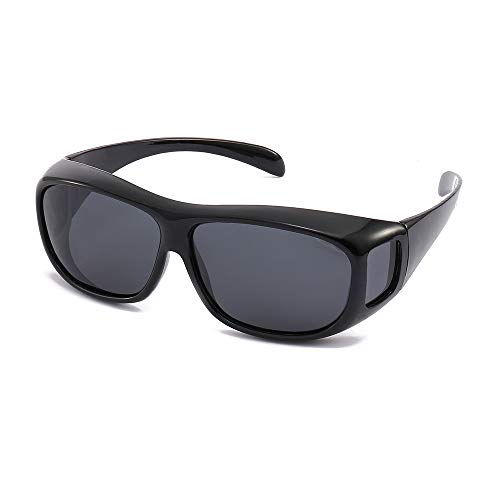
Polarized UV Glasses Aviator Driving Goggles Cycling Sunglasses Eyewear Glasses Anti Glare
If you’re active outdoors, these Gemgoo Polarized UV Glasses are a great pick. I wore them for cycling once my doctor said it was safe. They’re stylish, light, and block glare well.
Pros:
-
Polarized to cut glare
-
UV protection
-
Classic aviator look
-
Light and tough build
-
Great for driving or cycling
Cons:
-
Only in black
-
Might not fit every face shape
I liked how these made bright days easier on my eyes. The anti-glare lenses are great for driving or being outside for hours. They’re stylish and protective — a nice mix after surgery.
Isafety Post Cataract Surgery Sunglasses

iSafety Post Cataract Surgery Sunglasses | Dark Glasses for After Eye Surgery – LASIK & Cataract Sunglasses
The iSafety Sunglasses are made for healing eyes. I used a similar pair during my first two weeks post-op, and they really helped with light sensitivity.
Pros:
-
Made for healing eyes
-
UV protection
-
Soft, comfy frame
-
Great for bright days
-
Light and easy to wear
Cons:
-
Only one color (black)
-
Not great in dim light
These helped me step outside without squinting. They cut down glare and kept my eyes calm. If you just had surgery, these are a great way to start protecting your eyes.
Isafety Polarized Cataract Surgery Recovery Sunglasses

iSafety Polarized Cataract Surgery Recovery Sunglasses – UV400 Wraparound Protective Eyewear – Fits Over Glasses – Anti-Glare, Lightweight & Durable
The iSafety Polarized Recovery Sunglasses are my personal favorite. They have UV400 protection, are polarized, and have a wraparound fit. I used them for my daily walks once my doctor said I could be in sunlight again.
Pros:
-
UV400 full protection
-
Polarized lenses cut glare
-
Wraparound design covers sides
-
Fits over regular glasses
-
Light and strong
Cons:
-
May not fit big frames
-
Only in black
These block light from all sides — a huge help when your eyes are sensitive. They’re light enough for long wear and strong enough for everyday use. If you want full protection and comfort, this is the pair I’d recommend most.
Tips for Care & Usage
Your sunglasses are like protective armor for healing eyes — treat them well so they last and stay effective.
Clean gently, always.
I used a soft microfiber cloth and lens cleaner (no alcohol or harsh sprays). One time I wiped with my shirt — and regretted it! Scratches make them useless.
Store in a safe case.
Keep a hard case in your bag or car. Don’t toss them loosely. I once dropped mine into a sandy bag — the case saved them.
Avoid scratching lenses.
Never place them lens-down on rough surfaces. That tiny grit can leave marks. Always set them down gently.
Rotate pairs if possible.
If you have two pairs, switch between them. That way, one set is always fresh and scratch-free.
Wear a brimmed hat + what you wear.
Combining sunglasses with a wide-brimmed hat gives extra shade and reduces light from above. It felt like double protection during my walks after surgery.
Frequently Asked Questions
What Sunglasses Are Best After Cataract Surgery?
Go for wraparound sunglasses with 100% UVA/UVB protection. They block glare and protect sensitive eyes. Polarized lenses help reduce strain and make vision clearer. I use iSafety and Optego — both great options.
Can I Wear Sunglasses Over My Prescription Glasses?
Yes, I did this for a few weeks after surgery. Fit-over sunglasses like Wise Eyewear Cover-Ups are easy to use and protect your eyes well.
Why Is UV Protection Important After Cataract Surgery?
After surgery, your eyes are more sensitive to light. Lenses with UV400 or full UVA/UVB protection keep them safe. I followed my doctor’s advice on this — it made a big difference outdoors.
Are Polarized Lenses Better For Cataract Surgery Recovery?
Yes! They reduce glare and make your eyes feel more relaxed. I used them while driving, and my vision stayed sharp even on bright days.
How Do Wraparound Sunglasses Help Post Eye Surgery?
Wraparound styles keep sunlight, wind, and dust out. I wore mine every time I stepped outside. They make healing easier and protect your eyes fully.
Are Lightweight Sunglasses Recommended After Cataract Surgery?
Absolutely. Heavy glasses can press on your face and cause pain. Lightweight wraparound styles like iSafety’s feel easy to wear all day.
Conclusion
Picking the right sunglasses after cataract surgery isn’t just about looks — it’s about helping your eyes heal. From my own experience, UV protection and polarized lenses made my recovery smoother.
Brands like Wise Eyewear and Optego give full UV protection, while iSafety’s wraparound sunglasses stop side glare. They’re light, comfy, and safe to wear all day.
If you’ve had surgery, treat your eyes gently — they’re still healing. Choose sunglasses that fit well, block all UV, and make you feel at ease outdoors. Your eyes will thank you, and you’ll enjoy clear, comfortable vision again.

Marry Christin, a passionate fashion designer and style enthusiast. Fashion isn’t just my profession—it’s my addiction! Along with my expert team, I bring you honest reviews of the latest fashion trends, including shoes, boots, sandals, dresses, and more.