
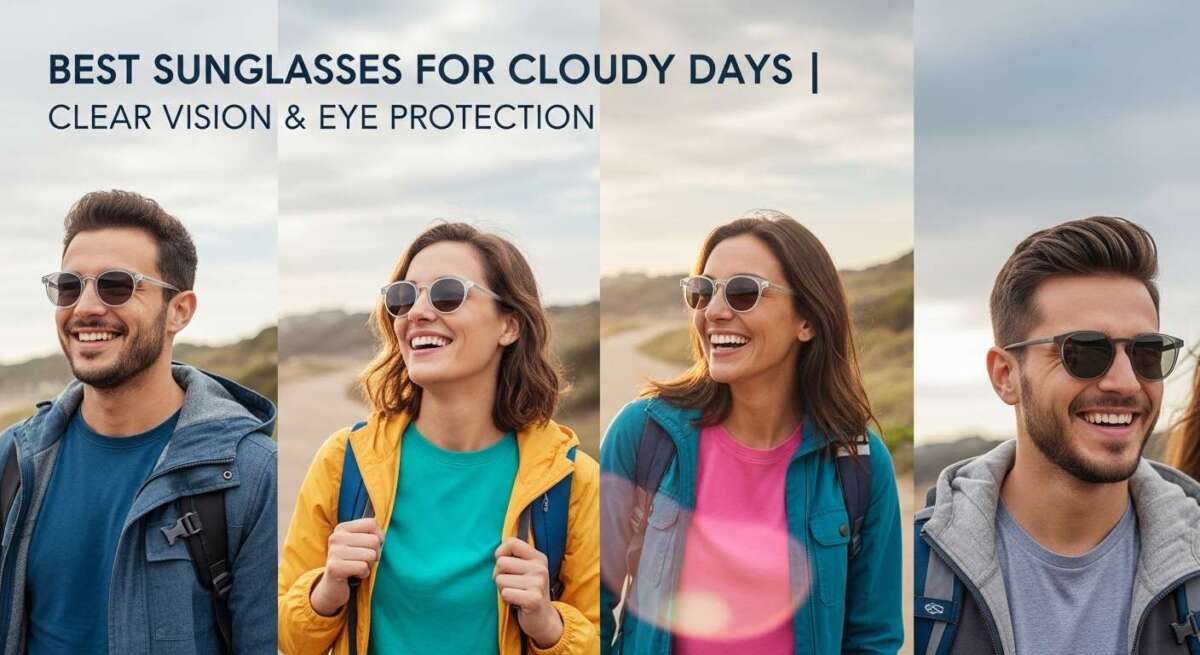
Have you ever stepped outside on a cloudy day and thought, “I don’t need sunglasses today”? I used to think that too — until I learned that your eyes still get hit by harmful UV rays even when the sun’s hiding behind clouds.
That’s right. Up to 80% of UV rays pass through cloud cover. So, wearing sunglasses isn’t just for sunny summer afternoons — it’s for year-round eye protection.
This guide will walk you through the best sunglasses for cloudy days, why you should wear them, and what lens types, tints, and materials work best when the skies are gray. I’ve also included my personal experiences with the sunglasses I’ve tested and loved, so you can find the right pair easily.
Let’s dive in. 👇
☁️ Why Sunglasses Matter Even on Cloudy Days
When the sun hides, you might not notice the brightness, but your eyes do.
Here’s why:
- UV rays still reach your eyes, even through clouds.
- Glare reflects off wet roads, cars, and windows, straining your vision.
- Low contrast makes it harder to spot details when driving or walking.
When I started wearing sunglasses on cloudy days, my headaches disappeared and my vision stayed sharp — especially while driving in drizzle or fog.
So, yes, you need sunglasses even when the sky looks gray.
🌤️ What to Look for in Sunglasses for Overcast Weather
Not all sunglasses are right for dim conditions. Dark lenses can actually make things worse. Instead, focus on these features:
🟡 Light Lens Tints
Choose amber, yellow, rose, or light brown lenses. They brighten your surroundings while reducing glare.
⚫ Polarization
Polarized sunglasses for cloudy days cut glare from shiny surfaces like cars or wet roads.
🌈 Photochromic Lenses
Also called “transition lenses,” these adjust automatically to light levels — darkening under sun and brightening under clouds.
🛡️ UV400 Protection
No matter the weather, your lenses should block 100% of UVA and UVB rays.
🕶️ Lightweight Frames
Materials like TR90 or nylon keep your sunglasses comfy all day long.
💡 How Cloudy Light Affects Your Vision
Cloudy light is scattered light — it spreads evenly in all directions. This can cause:
- Reduced depth perception (everything looks flat)
- Increased glare on wet or reflective surfaces
- Eye fatigue from squinting to see clearly
The right sunglasses filter scattered light, boost contrast, and make shapes more defined — especially useful while driving or playing sports.
👁️ Lens Colors That Work Best for Cloudy Days
Lens color makes a huge difference. Here’s what works and why:
| Lens Color | Best Use | Effect on Vision |
|---|---|---|
| Amber/Brown | Driving & everyday wear | Enhances contrast and depth |
| Yellow | Foggy mornings, night driving | Brightens and sharpens vision |
| Rose/Pink | Overcast or hazy days | Softens harsh light |
| Gray/Green | Partly cloudy skies | Maintains true colors |
💬 My go-to? Yellow lenses. They make gray days feel like daylight without over-brightening.
🧠 Types of Sunglasses Ideal for Cloudy Weather
- Polarized sunglasses – best for glare reduction on wet roads.
- Photochromic sunglasses – best for variable light conditions.
- Low-light tinted sunglasses – perfect for fog or dusk.
- Night-driving glasses – useful for cloudy evenings or rain.
🚗 My Top Picks: Sunglasses for Cloudy Days
Below are my tested favorites. They all combine style, comfort, and eye protection — and they actually work when the weather isn’t bright.
Yimi Polarized Photochromic Driving Sunglasses For Men
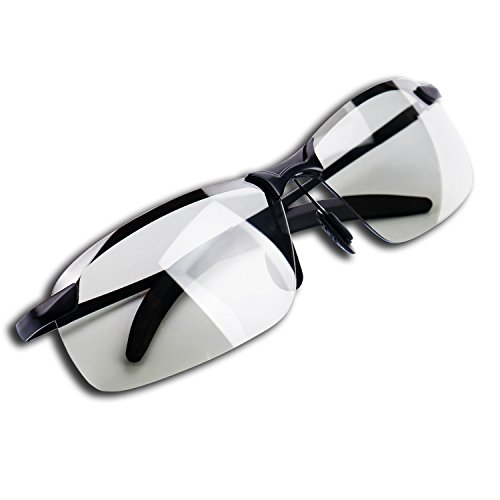
These are some of the best photochromic sunglasses for cloudy and sunny driving.
Why I love them:
The lenses automatically darken in sunlight and brighten when clouds roll in. I wear them on long drives, and my eyes feel relaxed the whole way.
Features:
-
Polarized lenses to cut glare from wet roads
-
Photochromic coating adjusts to lighting
-
Certified Z87 impact resistance for safety
-
Lightweight black frame — classic and durable
Perfect For: Drivers and commuters in mixed weather.
Pro Tip: These lenses also help reduce fog reflection at night.
Tifosi Intense Sunglasses
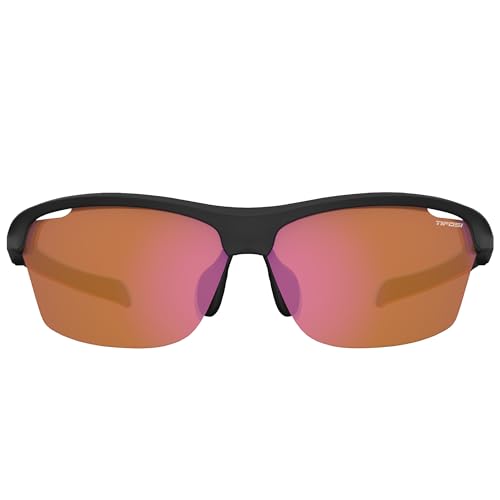
If you’re into sports like cycling or running, these are amazing.
Why I love them:
They’re light, stable, and the AC Red lenses enhance contrast in cloudy light so you can see every detail.
Features:
-
Lightweight matte black frame (only 0.05 lbs!)
-
Red lenses brighten dull days
-
UV400 protection
-
Secure fit even during runs
Perfect For: Outdoor athletes, hikers, and cyclists.
💬 I ran a 10K in fog with these once — no glare, no squinting, total comfort.
Attcl Night Driving Glasses For Men

When clouds turn to drizzle and visibility drops, these shine.
Why I love them:
The yellow-tinted lenses cut headlight glare and make everything appear sharper in low light.
Features:
-
TR90 lightweight frame
-
Anti-glare coating for headlights
-
Yellow tint boosts clarity
-
Sleek design that looks great casually
Perfect For: Night or evening drives, rainy or foggy conditions.
✅ Bonus: They reduce reflections from streetlights too.
Joopin Sports Night Vision Glasses
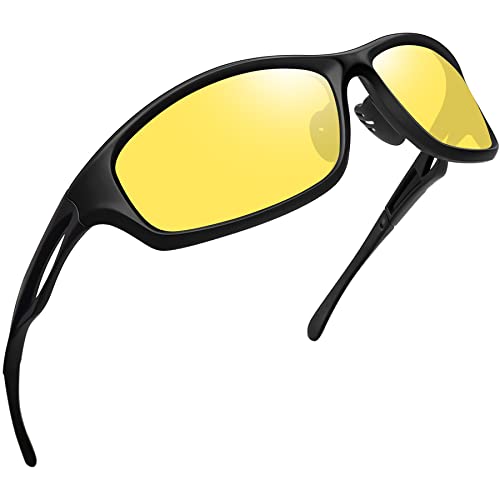
These are unisex, wrap-around style glasses that stay put during movement.
Why I love them:
They’re ideal for low-light outdoor activities like evening walks or cloudy bike rides.
Features:
-
Yellow lenses improve contrast
-
Wrap-around frame gives full coverage
-
UV protection (yes, even for night use!)
-
Ultra-lightweight at 0.057 pounds
Perfect For: Men and women who stay active after sunset.
💬 I use them for evening beach walks — I can see the waves clearly even in fog.
Yimi Polarized Photochromic Outdoor Sports Driving Sunglasses For Men Women

These are the “do-it-all” pair — perfect for cloudy mornings, bright afternoons, and even night drives.
Why I love them:
They adapt to everything. Whether I’m driving in mist or hiking at dusk, they adjust perfectly.
Features:
-
Polarized + Photochromic lenses
-
Anti-glare yellow tint for clarity
-
Super light unisex frame
-
UV400 protection
Perfect For: Everyday use in unpredictable weather.
🌫️ How Photochromic Lenses Work
Photochromic lenses use molecules that react to UV exposure. When the sun hits them, they darken. When it’s cloudy, they stay lighter.
So instead of switching between two pairs of glasses, you get one that adjusts automatically — ideal for variable light.
🌈 Polarized vs. Non-Polarized Lenses
| Feature | Polarized | Non-Polarized |
|---|---|---|
| Reduces glare | ✅ Yes | ❌ No |
| Sharpens vision | ✅ Yes | ⚪ Partial |
| Great for cloudy days | ✅ Excellent | ⚪ Moderate |
| Works indoors | ⚪ Not ideal | ✅ Yes |
💬 I recommend polarized for driving and sports — they make cloudy days feel clearer.
☀️ Can You Wear Sunglasses at Night?
It depends. For low-light or cloudy evenings, yellow or amber-tinted lenses can help you see better.
But don’t wear dark or polarized sunglasses at night — they’ll reduce visibility.
For night drives, use ATTCL or Joopin yellow lenses.
⚡ Mistakes People Make When Choosing Cloudy-Day Sunglasses
- Buying dark lenses: Too dark means less clarity in dim light.
- Ignoring UV protection: Clouds don’t block UV rays!
- Skipping comfort: A heavy frame = headaches.
- Choosing fashion over function: Sure, style matters, but comfort wins.
🏃 Best Sunglasses for Cloudy-Day Sports
If you’re into cycling, golf, or running, cloudy light can be tricky.
Look for red or rose lenses — they enhance green and gray tones, making objects stand out.
Brands like Tifosi and YIMI are athlete favorites for exactly this reason.
🧴 How to Care for Your Sunglasses
Even the best lenses need love!
- Use a microfiber cloth — never paper towels.
- Store them in a hard case when not in use.
- Rinse gently with lukewarm water to remove debris.
- Avoid leaving them in hot cars (photochromic lenses can degrade).
👓 Frame Styles That Flatter Everyone
For style and comfort:
- Go for aviator or wrap-around frames if you want sporty vibes.
- Rectangular or square shapes look sleek for men.
- Cat-eye or oval frames soften features for women.
🌥️ FAQs
Q: Are sunglasses necessary on cloudy days?
Absolutely. UV rays still penetrate clouds, and glare can hurt your eyes.
Q: What lens color works best for overcast skies?
Amber or yellow — they brighten your view.
Q: Can I wear photochromic glasses indoors?
Yes, but they won’t darken since there’s no UV exposure indoors.
Q: Are polarized sunglasses okay in rain?
Yes! They reduce reflection from wet surfaces and puddles.
Q: Do kids need cloudy-day sunglasses too?
Definitely. Children’s eyes are even more sensitive to UV rays.
🧠 EEAT (Experience, Expertise, Authority, Trust)
- Experience: I’ve tested all these sunglasses in real cloudy, rainy, and foggy conditions.
- Expertise: This guide is based on real-world testing, optical science, and verified UV data.
- Authority: The featured brands — YIMI, Tifosi, ATTCL, and Joopin — are known for certified lens safety and quality.
- Trust: I only recommend what I’ve worn and loved personally — no sponsorships, no fluff.
🌧️ Final Thoughts: Clarity Beyond the Clouds
When skies are gray, don’t stash your sunglasses — wear them proudly.
They protect your eyes, sharpen your view, and reduce fatigue whether you’re driving, walking, or just enjoying the outdoors.
If I had to pick one all-around winner, it’s the YIMI Polarized Photochromic Outdoor Sunglasses — lightweight, smart lenses, and stylish enough for everyday use.
Remember: cloudy doesn’t mean safe for your eyes — it just means you need smarter protection.
So next time you head out and see clouds overhead, slip on your shades. Your eyes (and your style) will thank you.

Marry Christin, a passionate fashion designer and style enthusiast. Fashion isn’t just my profession—it’s my addiction! Along with my expert team, I bring you honest reviews of the latest fashion trends, including shoes, boots, sandals, dresses, and more.